On this page
Last updated October 3, 2026. Attraction hours and access checked against official and local sources; metro lift outages and funicular closures checked September and October 2026. Prices change and lifts break, so confirm the details for your dates.
Naples with kids works better than its reputation suggests. In Naples, Italy children love the underground tunnels, the castles, the pizza and Pompeii, where under-18s enter free. Plan for steps, cobbles and scooters, not strollers: bring a baby carrier, base yourself near a metro station and build in a beach or park day.
Naples has a reputation, and some of it is earned. The traffic is chaotic, scooters ride on the sidewalks, the streets of the old center are paved with uneven slabs of volcanic stone, and half the city seems to be built on staircases. It’s loud, it’s hot in summer, and it doesn’t hand you anything on a plate. None of that makes it a bad place for children. Neapolitans adore kids, waiters will fuss over yours, and the city is full of things children find thrilling without any effort on your part: tunnels under the streets, castles with moats, a volcano you can walk up, a buried Roman town, and pizza that costs less than a sandwich at home.
This guide is about planning Naples around the people you’re traveling with. Most of it is for families, because that’s the question I’m asked most, but further down I go through what changes if you’re a couple, traveling solo, an older traveler, or someone who uses a wheelchair or has limited mobility. Naples is genuinely harder than most Italian cities for that last group, and I’d rather be straight with you about where it falls short. For the big picture, start with the things to do in Naples guide, and for day-by-day plans see the Naples itinerary.
Naples with kids at a glance
| Experience | Best ages | Time to allow | Stroller-friendly? | My verdict |
|---|---|---|---|---|
| Napoli Sotterranea and the underground | 6 and up | About 90 minutes | No, lots of steps | The number one kids’ pick in the city |
| Pompeii | 7 and up | Half a day | Hard going; carrier better | Essential, with a plan and lots of water |
| Herculaneum | 5 and up | 2 to 3 hours | Partly | Easier than Pompeii for younger children |
| Mount Vesuvius | 7 and up, fit walkers | Half a day | No | Brilliant on a calm, clear day |
| Castel Sant’Elmo and Castel Nuovo | All ages | 1 to 2 hours each | Sant’Elmo mostly, via the lift | Ramparts, views and dungeons |
| National Archaeological Museum | 8 and up | About 2 hours | Yes, with lifts | Pick a few rooms, not the whole thing |
| Città della Scienza | 4 to 14 | Half a day | Yes | The best rainy-day option |
| Edenlandia and the zoo | 2 to 10 | Half a day | Yes | Pure fun for younger children |
| Pietrarsa railway museum | 3 and up | About 2 hours | Yes | A must for train-mad kids |
| Seafront, Villa Comunale and parks | All ages | As long as you like | Yes | Free, flat and full of gelato |
| A pizza-making class | 5 and up | About 2 hours | Yes | Fun, messy and edible |
| A beach day on Procida | All ages | A full day | Partly | The best summer day out |
Is Naples good for kids? My honest take
Yes, with the right expectations and the right age. The sweet spot is roughly 6 to 14: old enough to walk all day, to be wowed by Pompeii and to cope with a hot afternoon, and young enough to find a candlelit tunnel the best thing that’s ever happened to them. Teenagers tend to love Naples too, for its street life, its food and its slight edge of chaos. Babies in a carrier are easy. The hardest age is the toddler in a stroller, because the city’s surfaces and stairs were designed long before anyone thought of wheels.
What works in your favor: the city’s culture is completely family-centered, children are welcome in every pizzeria and most restaurants until late at night, the state museums and archaeological sites let under-18s in free, and there’s an extraordinary density of things to see within a small area. What works against you: traffic you have to watch every second, sidewalks that disappear or are blocked by parked cars and scooters, steep hills, the heat in high summer, and very few public toilets or baby-changing tables.
Plan around those, and Naples rewards families more than most cities in Italy. It’s also a good base for the beaches, the islands and Pompeii, which together cover most of what children want from a holiday in the south.
What kids love most in Naples
Going underground
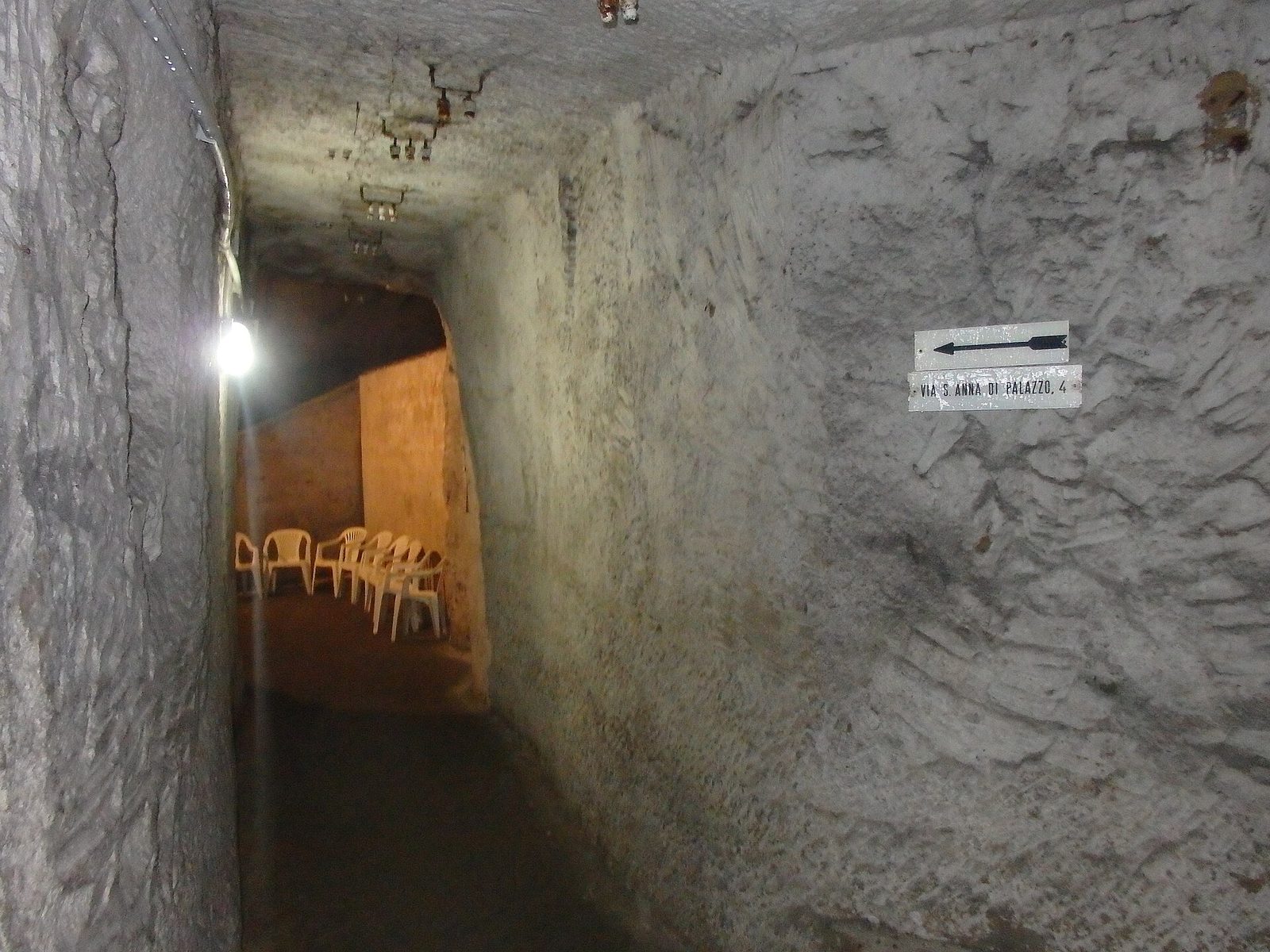
The single best thing to do in Naples with children is to go under it. Beneath the historic center is a maze of Greek quarries, Roman cisterns and World War II air-raid shelters, and Napoli Sotterranea, off Via dei Tribunali, runs guided tours down into it about 40 meters below the street. The tour takes about 90 minutes and includes a narrow passage you walk through by candlelight. Most kids think this is the greatest thing they’ve ever done. A few, and some adults, find it claustrophobic, and you can skip that section. Other underground sites, including the Bourbon Tunnel and the catacombs of San Gennaro, are compared in the Naples underground guide.
Castles
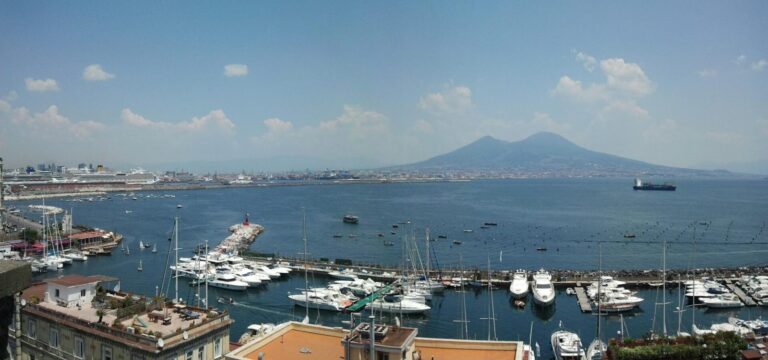
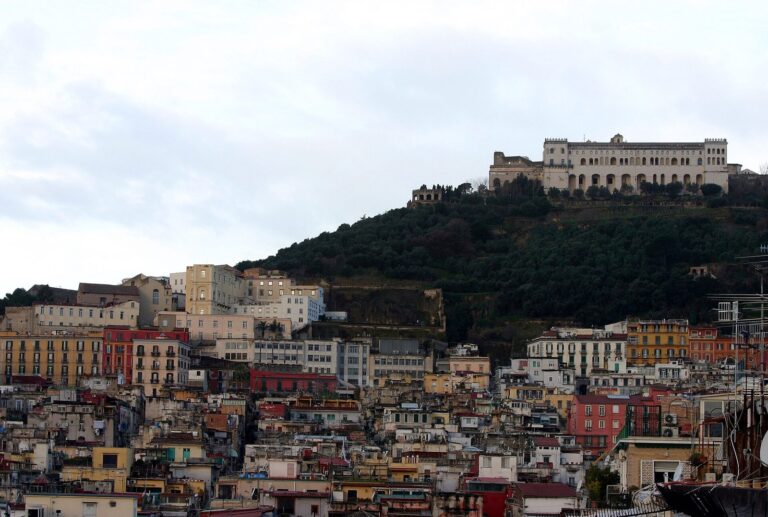
Naples has castles in the storybook sense. Castel Nuovo, the Maschio Angioino, sits on the waterfront by the port with round towers, a moat and the remains of a Roman settlement under glass. Castel Sant’Elmo, on top of the Vomero hill, is a star-shaped fortress with walk-on ramparts and the best view in the city: Vesuvius, the bay, Capri, and the whole of Spaccanapoli cutting through the old town below like a ruler line. Since a rockfall closure in late summer 2026, visitors enter Sant’Elmo through the moat and a lift, which also makes it one of the more accessible sights in the city. The Castel dell’Ovo on the seafront has been closed for restoration, and a reopening has been announced but not confirmed, so check before you promise it to anyone. The Naples castles guide has the details.
Pompeii and Herculaneum with children
Pompeii is the trip every child has heard of, and it lives up to it, provided you plan. The site is enormous, there’s very little shade, and the stone streets are slow going. Go first thing in the morning, carry more water than you think you need, and pick a short route rather than trying to see everything: the amphitheater, the forum with Vesuvius behind it, a bakery with its millstones, the stepping stones across the streets and the “beware of the dog” mosaic usually win children over. The plaster casts of victims are moving and can upset sensitive kids, so prepare them or steer around them. Under-18s enter free, as they do at all Italian state sites. The Pompeii from Naples guide covers trains, tickets and routes.
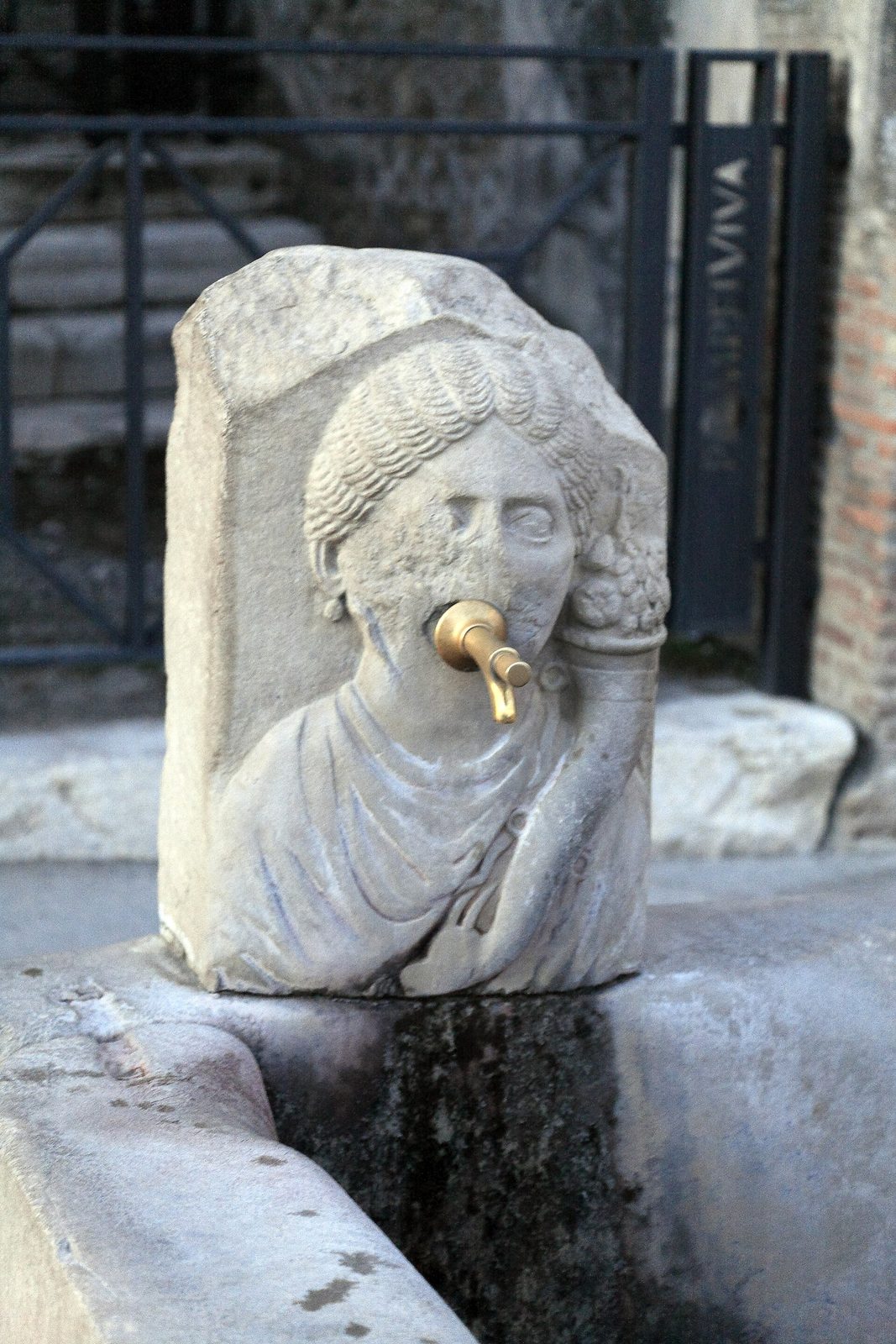
For children under about eight, I’d choose Herculaneum instead, or as well. It’s compact enough to see in a couple of hours, better preserved, with wooden beams, upper floors and colors that make it easier to imagine people living there, and you look down into it from above, which children find exciting. The skeletons in the old boat sheds by the ancient shoreline are a sobering sight, so decide in advance how you want to handle them. See the Herculaneum guide.
Climbing Vesuvius
Walking up to the crater of an active volcano is a story children tell for years. From the car park, the path to the rim is a steady climb on loose gravel, manageable for most active children of seven or so and up, and at the top you look down into the crater with steam rising from the walls in places. Tickets are sold online only, in timed slots, and the path closes at short notice for strong wind and bad weather, so have a backup plan. Wear proper shoes and take layers: it’s cooler and windier at the top than in the city. The Mount Vesuvius guide explains how to book.
Museums that work for kids
The National Archaeological Museum (MANN) holds the treasures of Pompeii and Herculaneum, and with children the trick is to pick three or four things: the Egyptian collection in the basement, which always goes down well; the huge model of Pompeii; and the frescoes and everyday objects, from carbonized bread to surgical instruments. The Secret Cabinet of erotic art is one to steer younger children past. Note that the mosaics collection is closed until November 30, 2026, and the Alexander Mosaic is under restoration. The museum has lifts throughout. Other museums worth a family visit are in the Naples museums guide.
Città della Scienza: the rainy-day answer
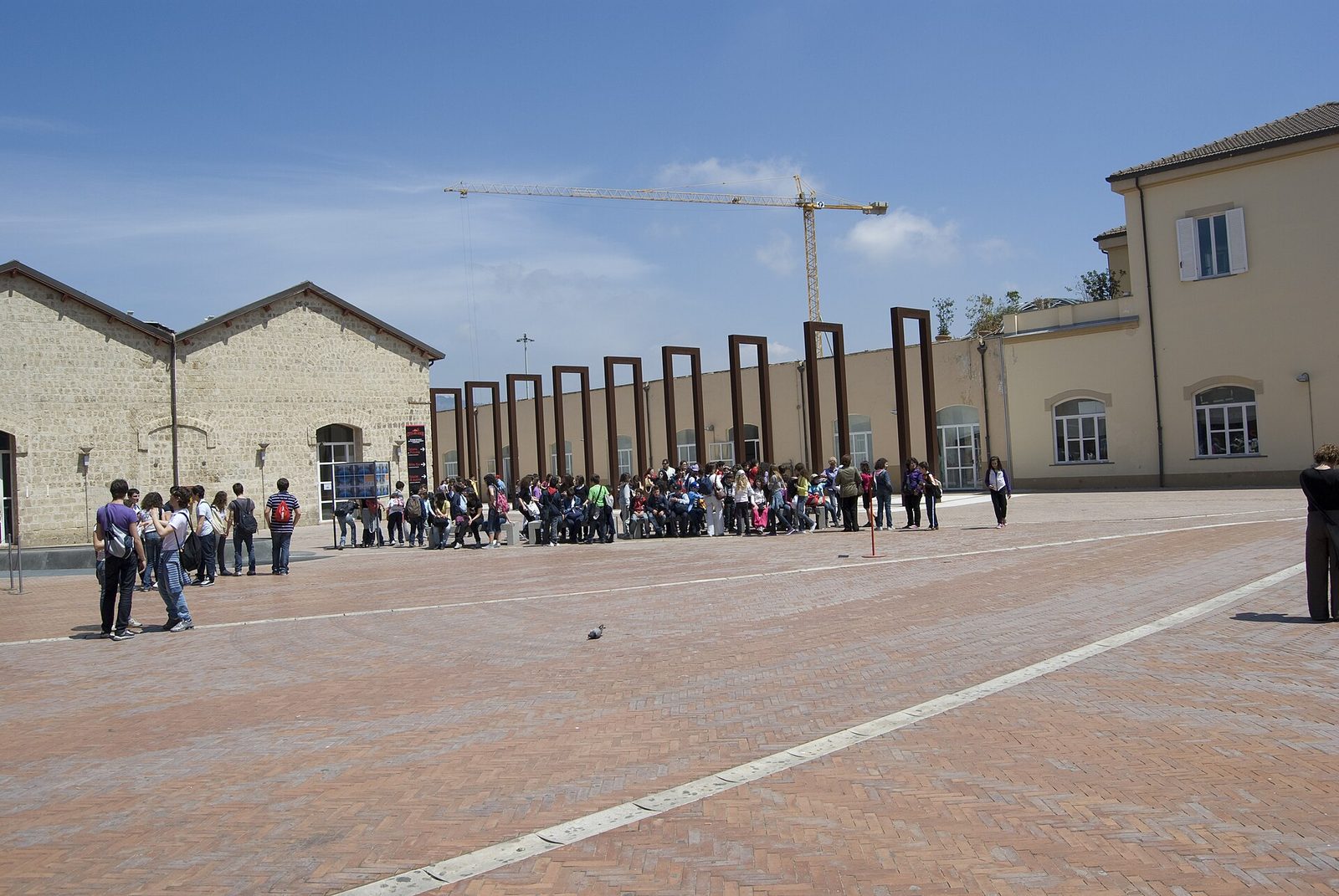
The city’s science center, on the seafront at Bagnoli, is the best indoor option for children. Its main attraction is Corporea, an interactive museum of the human body spread across 14 themed areas, where kids can crawl, press, test and measure their way through how the body works, and there’s a 3D planetarium with shows for different ages. Summer hours in 2026 were 10 a.m. to 4 p.m., closed on August 15 and 16; check the Città della Scienza website for hours the rest of the year. Tickets are cheaper for ages 3 to 17, and the planetarium is a small extra.
Edenlandia and the zoo
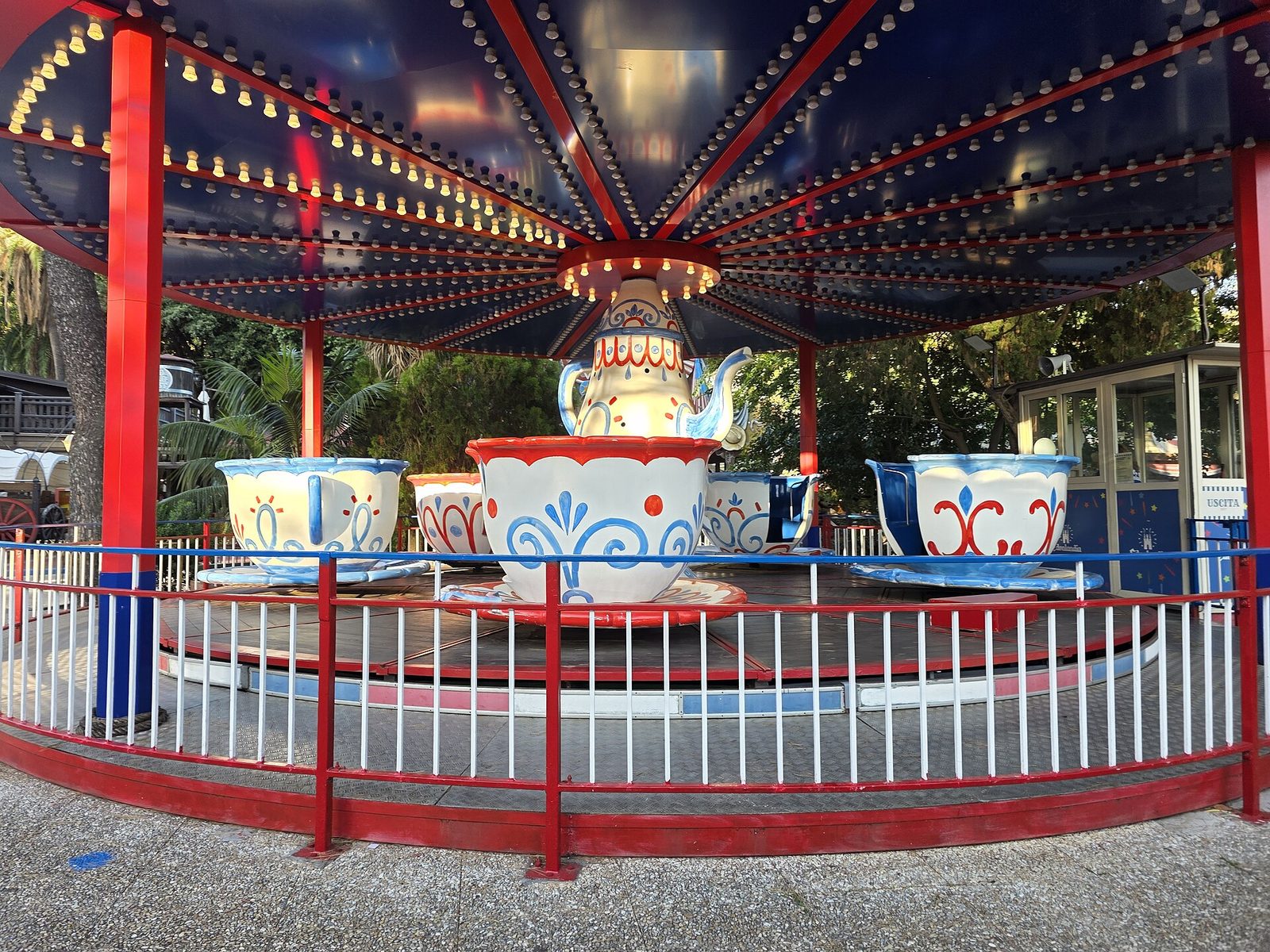
Side by side on Viale Kennedy in Fuorigrotta, west of the center, are two classic Neapolitan family outings. Edenlandia is an old-fashioned amusement park, first opened in 1965 and relaunched in recent years, with rides for younger children, a log flume and themed family weekends; its own website publishes the calendar and prices. Next door, the Zoo di Napoli is a green, shady park with big cats, a teaching farm and picnic areas. It’s open every day except Christmas Day and New Year’s Day, with longer hours in summer and 9:30 a.m. to 5 p.m. from November to March, and tickets run about €10–15, with a cheaper rate for children up to ten and free entry for under-threes (checked October 2026). Both are an easy ride on the Cumana or the metro to Fuorigrotta. Combine them for a day that’s entirely about the kids.
The railway museum at Pietrarsa
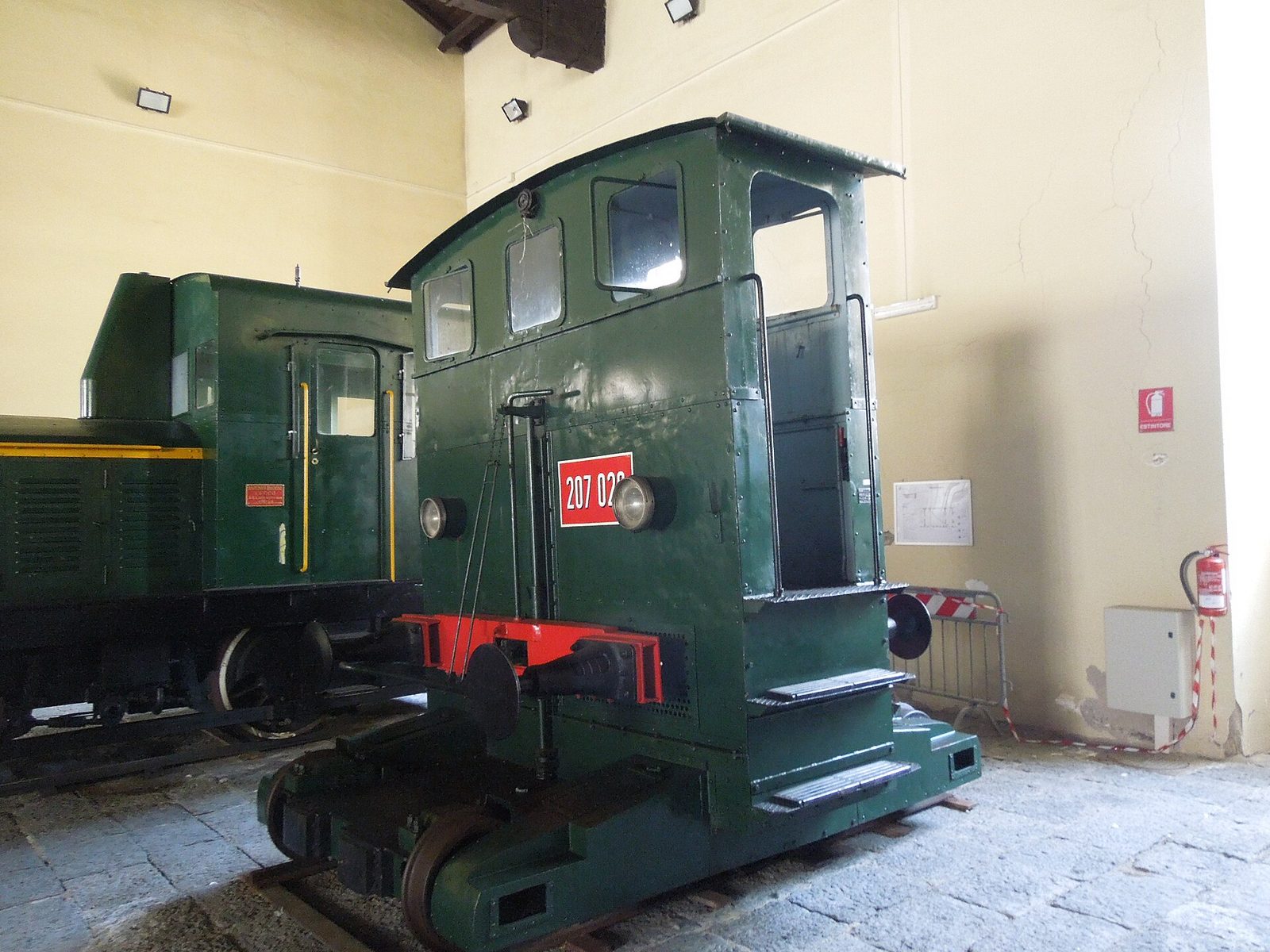
Italy’s first railway line ran from Naples to Portici in 1839, and the Bourbon kingdom’s locomotive works beside it at Pietrarsa is now the national railway museum. Its sheds by the sea are full of steam engines, electric locomotives and royal carriages, and children who like trains will want to climb onto every one of them. It’s a short train ride east of the center. Check opening days on the museum’s website before you go, as they vary through the year.
Parks, the seafront and space to run
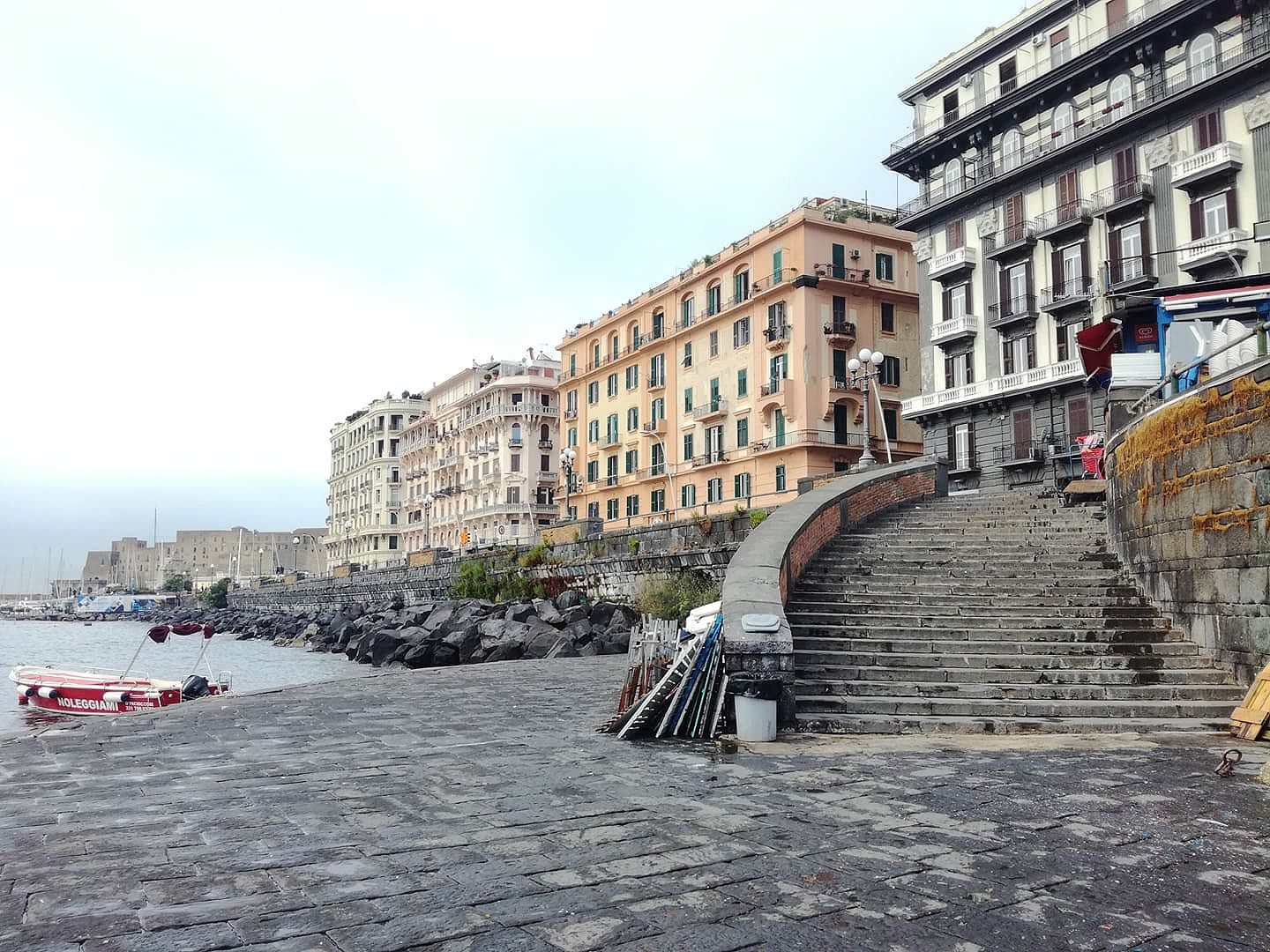
When everyone needs a break from the stone streets, head for the sea. The seafront from the Castel dell’Ovo to Mergellina, along Via Partenope and Via Caracciolo, is closed to traffic and flat, perfect for scooters, bikes and strollers, with gelato every few hundred meters. Behind it, the Villa Comunale is a long public garden with playgrounds and shade. Up on the hill, the Real Bosco di Capodimonte, the royal park around the Capodimonte museum, has well over a hundred hectares of woods and lawns for a picnic. In Posillipo, the Parco Virgiliano has a playground and huge views over the bay toward Nisida and the islands.
Pizza, gelato and eating out with kids
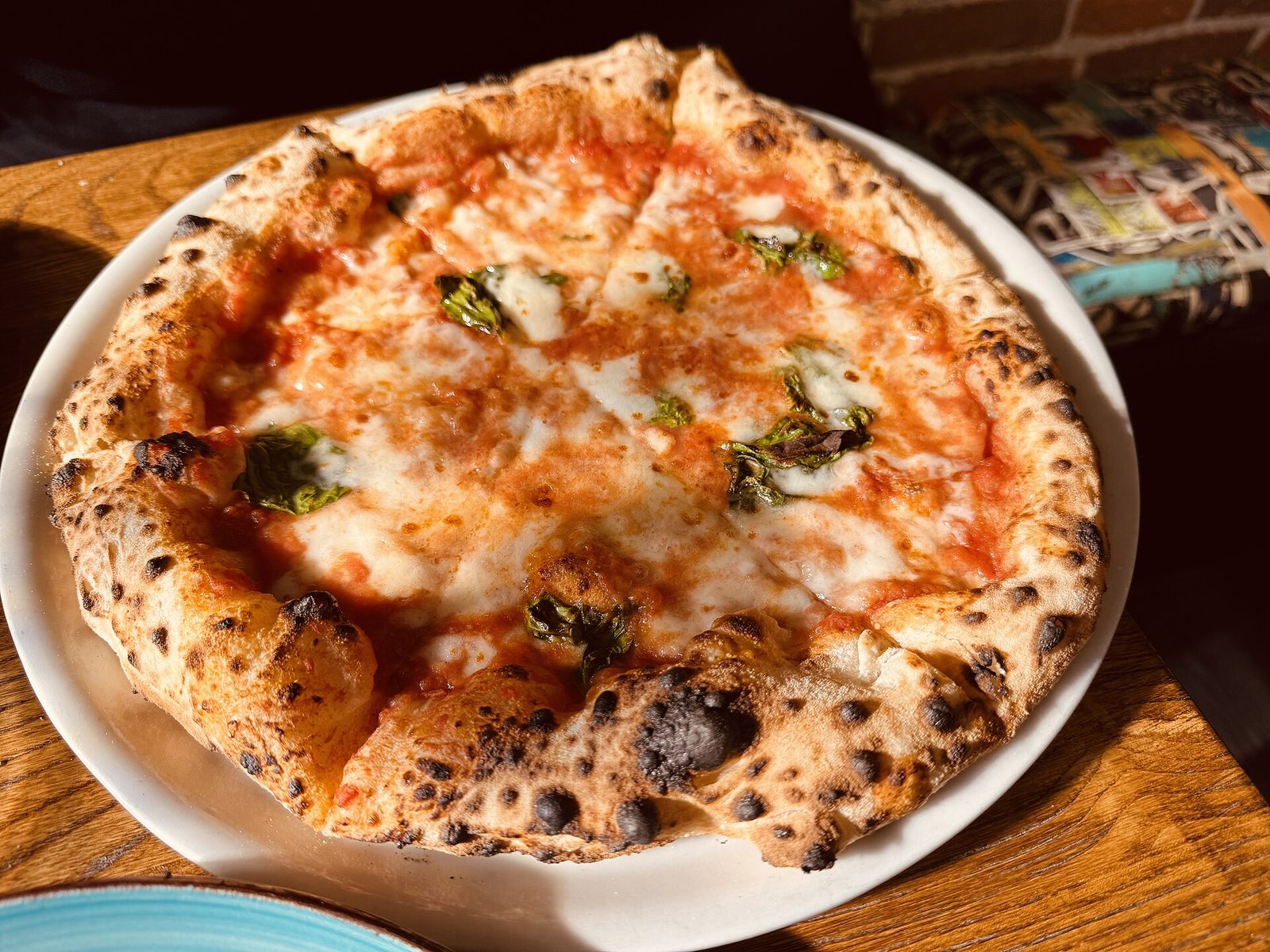
Naples might be the easiest city in Europe to feed children in. Pizza is the obvious answer, and a margherita at a classic pizzeria is cheap, quick and loved by almost everyone. For a snack on the move, buy a pizza a portafoglio, a small pizza folded into quarters and eaten from paper, or a frittatina, a fried disc of pasta and béchamel. Pastry shops do sfogliatelle and babà, and gelato is everywhere.
A few practical points. Neapolitans eat dinner late, around 8:30 or 9 p.m., but pizzerias open earlier in the evening, so they’re the natural choice with tired children. High chairs exist but not everywhere, so ask when you book. If your children are fussy, any trattoria will make pasta in bianco, plain pasta with butter or oil and cheese, even if it isn’t on the menu. And a pizza-making class, where children stretch and top their own and watch it go into a wood-fired oven, is one of the most popular family activities in the city. My guide to the best pizza in Naples has where to go.
Beaches and boats
In summer, a beach day is the best reset for a family. The city’s own coast is rocky, so for sand head to Procida, a short hydrofoil ride away, or to the sandy beaches at Miliscola and Miseno west of the city, where the water is shallow near the shore. My guide to the beaches near Naples sorts out which are best for small children. A boat trip around Capri, with a swim stop, is another day children tend to remember.
Festivals and Christmas
If you’re visiting in December, take the children to Via San Gregorio Armeno, the street of nativity workshops, where tiny figures of shepherds, bakers and footballers fill every shop front and some of the miniature ovens actually glow. Summer brings neighborhood feasts with processions and fireworks. The Naples festivals guide has the calendar.
Practical tips for Naples with kids
Strollers, carriers and steps
This is the big one. A stroller is fine on the seafront, in the parks, along pedestrianized Via Toledo and in the big museums. It’s miserable in the centro storico, where the streets are paved with uneven basalt slabs, sidewalks are narrow or nonexistent, and scooters squeeze past you on both sides. It’s impossible on the stairways that connect much of the city. For babies and toddlers, bring a good carrier and use it as your main plan, with a light, folding stroller as backup for the flat parts. If you’re renting an apartment, ask how many steps there are to the front door and whether the building’s lift starts at street level, because in many old buildings it starts half a floor up.
Getting around with children
The metro is the easiest way to cover distance, and most Line 1 and Line 6 stations have lifts, though they’re regularly out of service, so check before you rely on one. Two of the city’s four funiculars are closed in autumn 2026: Montesanto since May 2026, for an overhaul expected to take about nine months, and Chiaia from October 1, 2026, with the 128 bus running in its place. The Centrale and Mergellina funiculars are running. The Circumvesuviana to Pompeii and Sorrento leaves from the lower level of Napoli Centrale, where there’s no lift, so with a stroller that means stairs. Taxis are useful for short hops, but they rarely have child seats, so bring a travel seat if that matters to you. The getting around Naples guide covers tickets and routes.
Traffic and street safety
Hold hands near any road. Drivers in Naples do stop at crossings, eventually, but they expect you to step out with confidence, and scooters come from every direction, including along the sidewalk and the wrong way up one-way streets. Teach children to wait for you at every corner. In the old center the lanes are narrow and drivers are slow, which is easier than it looks; the wide, fast roads like Corso Umberto and Via Marina are where to be most careful.
Pacing the day
The families who enjoy Naples most build their days the way Neapolitans do. Do one big thing in the morning, whether that’s Pompeii, the museum or the underground tour, while everyone is fresh and before the heat. Have a long lunch, ideally pizza, then rest: back to the apartment, into a park, or onto the seafront with a gelato. Go out again in the early evening, when the streets fill with families doing exactly the same, children on scooters, grandparents on benches, teenagers on every corner. Neapolitan children stay up late, and in summer you’ll see toddlers out at ten at night. Yours may enjoy joining them. What doesn’t work is the checklist approach of four sights a day, back to back on foot. The city is too dense, too hilly and too hot for it, and everyone ends up miserable.
Heat, toilets and supplies
In high summer, plan outdoor sights for early morning and late afternoon and spend the middle of the day indoors, at the beach or resting. Public toilets are rare, so use the ones in museums, cafés and restaurants whenever you’re there. Pharmacies, marked with a green cross, sell formula, diapers and children’s medicines, and staff can usually advise in English. Supermarkets in the center are small but stock the basics.
Staying safe
Naples is not a dangerous city for families in the areas visitors use, but petty theft is real. Keep phones off café tables, carry bags in front of you on the metro and the Circumvesuviana, and don’t let children wander off in crowded streets. The Naples travel tips guide covers scams and safety in more detail.
Where to stay with kids
I’d base a family in Chiaia or on the seafront at Santa Lucia, for the flat promenade, the Villa Comunale and calmer streets in the evening, or in the Vomero, a residential hilltop district with parks and good shopping that’s quieter than the center. The centro storico puts you in the middle of everything, but it’s noisy late into the night and hard work with a stroller. An apartment with a kitchen and a washing machine makes life easier for longer stays. Avoid the streets around the central station for a family base. More detail is in where to stay in Naples.
Naples for couples
Naples isn’t Venice, and that’s the point. Its romance is noisy, warm and a little shabby around the edges: a seafood dinner with your feet almost in the water, a sunset that turns Vesuvius pink, a glass of wine in a crowded alley, a night at one of the oldest opera houses in the world. Here’s how I’d plan a trip for two.
- Walk the seafront at sunset. Start at the Castel dell’Ovo and walk west along Via Partenope and Via Caracciolo to Mergellina as the light goes, with Vesuvius behind you and Posillipo ahead. It’s free, it’s car-free, and half the city is doing the same thing.
- Have dinner by the sea at Marechiaro. The old fishing hamlet at the foot of Posillipo has restaurants right on the water. Book a table outside for sunset, and in summer go for a swim off the rocks first.
- Climb to the views. Take the Centrale funicular up to the Vomero and walk to Castel Sant’Elmo and the terrace by the Certosa di San Martino for the panorama over the whole bay, best in the late afternoon.
- See an opera or ballet at the San Carlo. Opened in 1737, the Teatro di San Carlo is the oldest working opera house in Europe, all red velvet and gold. Even the cheap seats are an occasion, and the season runs through the cooler months.
- Drink where Neapolitans drink. In the evening, the little lanes of Chiaia around Vico Belledonne fill with people drinking outside the baretti, small bars that spill onto the street. For a view, the Caruso Roof Garden on the ninth floor of the Grand Hotel Vesuvio looks straight over the Castel dell’Ovo.
- Take a slow day trip. Procida is the romantic island: quieter than Capri, colorful and unhurried, with long seafood lunches at the Corricella. On the Amalfi Coast, Ravello sits high above the sea with the gardens of Villa Rufolo and Villa Cimbrone, and its summer concerts on a stage over the water are about as romantic as an evening gets. See the Amalfi Coast from Naples guide.
Where to stay as a couple: a seafront hotel in Santa Lucia or Chiaia with a sea-view room, or a boutique guesthouse in a restored palazzo in the centro storico if you’d rather wake up in the thick of the old city. If it’s a special trip, pay for the view. In Naples, a balcony facing the bay is worth more than any amount of marble in the bathroom.
Solo travel in Naples
Naples is a good city to travel alone in. It’s sociable, easy to eat in by yourself, cheap compared with Rome or Florence, and full of people who’ll talk to you whether or not you share a language. The thing to get right is street sense.
Is Naples safe for solo travelers?
For most solo travelers, yes, with the same care you’d take in any big city, and a bit more around your phone and bag. The main risk is petty theft: pickpockets on crowded buses, the metro and the Circumvesuviana, and the occasional snatch of a phone or bag by someone on a scooter. Walk with your phone in your hand only when you need it, keep your bag on the side away from the road, and don’t leave anything on a café table. At night, stick to the lively areas: Piazza Bellini and Via dei Tribunali in the old center, the Chiaia bars, and the Vomero. Avoid wandering empty lanes late, and the streets around the central station after dark.
Women traveling alone generally find Naples friendly and safe, though catcalling and persistent attention happen more than in northern Europe. Ignoring it usually ends it, and if anyone makes you uncomfortable, walk into a shop or bar. Neapolitans are quick to step in.
Meeting people
Hostels in the centro storico are sociable and good value, and many organize pizza nights and walking tours. Group walking tours, food tours, pizza-making classes and cooking classes are all easy ways to spend a few hours in company, and they’re compared in the guide to Naples tours. In the evening, the crowds outside the bars of Piazza Bellini and the Chiaia lanes make it easy to strike up a conversation.
Eating alone
Naples is perfect for solo diners. Nobody blinks at a table for one in a pizzeria, a pizza is a perfect single meal, and many places have counter seats. Street food, from folded pizza to fried snacks, means you can graze your way through the day. For a sit-down dinner, go a little earlier than the locals, around 8 p.m., when it’s easier to get a small table.
For budgets and what things cost day to day, see the Naples trip cost guide.
Naples for older travelers
Naples rewards older visitors with some of the best museums and archaeology in Europe, a mild climate for much of the year and excellent food. The challenges are physical: hills, stairs, uneven paving and traffic. A bit of planning makes all the difference.
- Choose your base for the terrain. The seafront at Santa Lucia and Chiaia is flat, with the promenade on your doorstep. If you stay on the Vomero, be within reach of the Centrale funicular, which is running, or a metro station with a working lift. In the centro storico, check how many stairs lie between the street and your room.
- Use taxis freely. Short taxi rides are a good investment on hilly days, and they save a lot of walking between sights. Ask your hotel or restaurant to call one rather than flagging one down.
- Pace the big sites. Pompeii is vast and uneven, with little shade. Herculaneum is smaller and easier to manage, and it’s just as impressive. The National Archaeological Museum, the Capodimonte museum and the Royal Palace all have lifts and benches.
- Don’t count on senior discounts. Italy’s state museums and archaeological sites no longer give free or reduced entry by age alone, although some private sites and attractions still have over-65 reductions. It’s always worth asking.
- Choose gentle day trips. A hydrofoil to Sorrento, a boat trip around Capri without the island’s steep lanes, or a day in one of Ischia’s thermal parks, with warm pools, gardens and the sea, all suit an unhurried pace. The Ischia guide covers the thermal parks.
- Think twice about Vesuvius. The path to the crater is steep, loose underfoot and exposed. If knees, hips or heart are a concern, enjoy the volcano from the bay instead.
- Look after yourself in the heat. In high summer, sightsee in the mornings and evenings, carry water, and rest in the afternoon. Pharmacies are everywhere, and the European emergency number is 112.
Accessible travel in Naples: an honest assessment
I’ll be direct: Naples is one of the more difficult cities in Italy for wheelchair users and anyone with limited mobility. The historic center is a dense grid of narrow, crowded streets paved with uneven basalt slabs, sidewalks are often too narrow or blocked by parked cars and scooters, curb cuts are inconsistent, and much of the city is built on hills linked by staircases. That doesn’t mean it can’t be done. It means planning matters more here than almost anywhere else, and some sights are simply out of reach.
The parts that work
The car-free seafront from the Castel dell’Ovo to Mergellina is flat, smooth and long, and it’s one of the great city walks or rolls in Italy. Via Toledo, the main shopping street, is largely pedestrianized, and it connects Piazza del Plebiscito, the Royal Palace and the Galleria Umberto I. The big museums are the most accessible sights in the city: the National Archaeological Museum, the Capodimonte museum and the Royal Palace have lifts, and Castel Sant’Elmo is now entered through the moat by lift. At Pompeii, a signposted accessible route, “Pompei per tutti”, covers several kilometers of the site on smoother paths and ramps, though the rest of the town’s streets are another matter. At Italian state museums and archaeological sites, disabled visitors and a companion enter free, which makes a big difference to the cost of a trip.
The parts that don’t
Napoli Sotterranea and most of the city’s underground sites are reached by long stairways and aren’t accessible. The path up Vesuvius is steep gravel. The lanes of the centro storico are hard going and crowded, especially around Via San Gregorio Armeno in December. On Capri and the Amalfi Coast, the towns are built on steps, and Positano and Amalfi in particular are a challenge. Hydrofoils have steps and narrow gangways that can be very difficult for wheelchairs, while the larger car ferries are easier to board. Check with the operator before you book.
Getting around
Most stations on metro Lines 1 and 6 have step-free access by lift, but lifts are regularly out of service. Check their status on ANM’s channels or the Gira Napoli app before you set out, and have a backup plan. In September 2026, lifts at several EAV stations on the suburban lines, including Fuorigrotta, Mostra, Piave and Soccavo, were out of service for all or part of the day. The Circumvesuviana to Pompeii and Sorrento leaves from the lower level of Napoli Centrale, where there’s no lift, and its older trains have high steps. Mainline trains are better: Italy’s railway network runs assistance points, called Sala Blu, at major stations including Napoli Centrale, and you can book assistance in advance. Newer city buses have ramps, but service is unpredictable. For door-to-door travel, the most reliable answer is to book an accessible taxi or a transfer company with a ramped vehicle in advance, through your hotel if possible. Fares and routes are in the getting around Naples guide.
Hotels: questions to ask
Don’t rely on a booking site’s “accessible” label. Ask the hotel directly: is there a step at the street entrance? Does the lift start at street level, or half a floor up, as it does in many old buildings? How wide is the lift door? Is there a roll-in shower and grab rails? The newer and larger hotels on the seafront and near the station are the most likely to have properly adapted rooms. Small B&Bs in historic palazzi are the least likely, however charming they look.
My verdict: with a well-chosen seafront base, taxis booked ahead, and a focus on the museums, the promenade, Pompeii’s accessible route and the Reggia di Caserta, a rewarding accessible trip to Naples is possible. Go in expecting to adapt, and you’ll enjoy it far more.
What to skip
- A stroller as your only plan. Bring a carrier for babies and toddlers. You’ll use it every day.
- Pompeii at midday in high summer with small children. Go at opening time, or choose Herculaneum.
- Vesuvius with toddlers, or on a windy day. The path is steep and exposed, and it closes in strong wind anyway.
- The ossuaries and skeletons with sensitive kids. Children react very differently to the catacombs, the plaster casts at Pompeii and the skeletons at Herculaneum. Decide in advance, and don’t feel you have to see everything.
- Driving in Naples. Traffic, parking and restricted zones make a car a burden in the city. Use trains, boats, taxis and transfers.
- The Amalfi Coast by public bus with young children in summer. Crowded, hot and winding. Go by boat, or stay over on the coast.
- Relying on the Montesanto and Chiaia funiculars. Both are closed in autumn 2026; use the Centrale funicular or the metro.
- Booking an “accessible” room without asking questions. Ask about steps, lift sizes and bathrooms before you pay.
Naples with kids: frequently asked questions
Is Naples, Italy good for kids?
Yes. Children love Naples’ underground tunnels, castles, pizza, Pompeii and Vesuvius, and Neapolitans are warm and welcoming to families. The challenges are practical rather than safety-related: traffic, uneven streets, stairs and summer heat. Children aged roughly 6 to 14 tend to get the most out of it.
Is Naples safe for families?
The areas visitors use are safe for families, especially by day. The main risks are petty theft and traffic, so keep bags and phones secure, hold hands near roads, and avoid the streets around the central station after dark.
Can you use a stroller in Naples?
On the seafront, in parks, along Via Toledo and in the big museums, yes. In the historic center, with its uneven paving, narrow sidewalks and scooters, it’s hard work, and many parts of the city are linked by stairs. A baby carrier is the better main plan, with a light folding stroller as backup.
What can kids do in Naples when it rains?
Città della Scienza, the science center with the Corporea human-body museum and a planetarium, is the best indoor option. Napoli Sotterranea, the National Archaeological Museum and the Pietrarsa railway museum are also good rainy-day choices, and a pizza-making class fills a wet afternoon nicely.
Is Pompeii suitable for young children?
Yes, if you plan. Under-18s enter free. Go at opening time, take plenty of water, use a carrier rather than a stroller, and pick a short route: the amphitheater, the forum, a bakery and the stepping stones. For children under about eight, nearby Herculaneum is smaller and easier.
Is Naples safe for solo travelers?
Generally, yes. Petty theft, including phone and bag snatching, is the main risk, so stay alert in crowds and on public transport. At night, stick to busy areas such as Piazza Bellini, Via dei Tribunali, Chiaia and the Vomero, and avoid empty lanes and the station area late.
Is Naples wheelchair accessible?
Partly. The seafront promenade, Via Toledo and the big museums are accessible, and Pompeii has a signposted accessible route. The historic center, the underground sites, Vesuvius and the steep coastal towns are difficult or impossible. Metro lifts often break down, so check their status before traveling, and book accessible transfers ahead.
Is Naples romantic for couples?
Very, in its own lively way: sunset walks along the seafront, seafood dinners at Marechiaro, opera at the Teatro di San Carlo, and day trips to Procida and Ravello. Book a room with a view of the bay if you can.
Where should families stay in Naples?
Chiaia and the Santa Lucia seafront are the best family bases, with the flat promenade, the Villa Comunale gardens and calmer evenings. The Vomero is a quieter residential alternative. The centro storico is central but noisy and hard with a stroller.
Photo credits
- Steps down to the sea from Via Caracciolo (featured image): photo by Baku, Wikimedia Commons, CC BY-SA 4.0.
- A tunnel in Napoli Sotterranea: photo by Nemo bis, Wikimedia Commons, CC BY-SA 3.0.
- Street fountain on Via dell’Abbondanza, Pompeii: photo by Falk2, Wikimedia Commons, CC BY-SA 4.0.
- The courtyard of Città della Scienza: photo by Gabriele Nosso, Wikimedia Commons, Public domain.
- The teacup ride at Edenlandia: photo by Andrea Papaccio, Wikimedia Commons, CC0.
- A locomotive at the Pietrarsa railway museum: photo by B.Zsolt, Wikimedia Commons, CC BY-SA 3.0.
- A Neapolitan margherita: photo by Missvain (Sarah Stierch), Wikimedia Commons, CC0.
Sources: Città della Scienza hours and tickets from the science center’s published 2026 information; zoo hours and tickets from local listings; metro lift status from ANM notices and local transport reporting in September 2026; funicular closures from the City of Naples and local press; National Archaeological Museum room closures from the museum’s official schedule; free entry for under-18s and for disabled visitors with a companion under Italian state museum rules. All checked September and October 2026.