On this page
Last updated October 3, 2026. Bathing rules, water-quality ratings and the Posillipo beach booking system checked against the City of Naples’ 2026 bathing ordinance and recent local reporting; the Campi Flegrei alert level checked against Civil Protection updates. Beach prices are bands from recent seasons, and the rules can change in the middle of a summer.
The best beaches near Naples, Italy are mostly outside the city. For real sand within an hour, head west to Miliscola and Miseno in the Campi Flegrei. For the clearest water, take a hydrofoil to Procida or Ischia. For a quick swim in town, use the Posillipo lidos and rocks, and expect to pay.
Naples sits on one of the most famous bays in the world, so it surprises a lot of people to find that the city has almost no beach. The waterfront from the port to Mergellina is a promenade built over boulders and breakwaters. Posillipo, the green headland to the west, drops into the sea in cliffs, villas and private bathing platforms. Neapolitans swim all summer anyway. They just do it off rocks, from concrete jetties and wooden decks, in small coves at the bottom of steep stairs, or by getting on a train or a boat to somewhere sandier.
That’s the honest starting point for this guide. If you’re picturing a long stretch of free golden sand a short walk from your hotel, you won’t find it in Naples, and I’d rather tell you now than have you discover it on a hot afternoon with a towel under your arm. What you will find, within an hour or so, is some of the best swimming in the Mediterranean: volcanic coves where you can see the bottom several meters down, island beaches warmed by hot springs, a sunken Roman resort you can snorkel over, and a couple of genuinely sandy bays that most foreign visitors never hear about.
Below I go through every option worth your time, starting in the city and working outward: the Posillipo coast, the Campi Flegrei, Procida, Ischia, Capri, the Sorrentine peninsula, the Amalfi Coast and, for the determined, Paestum and the Cilento. I also explain how Italian beaches actually work, because the lido system of entrance fees, sunbeds and umbrellas confuses nearly every first-time visitor, and I flag the places I’d skip. For everything else the city has to offer, start with the things to do in Naples guide.
Beaches near Naples, Italy at a glance
| Where | What it’s like | From central Naples | Free or paid | My verdict |
|---|---|---|---|---|
| Via Caracciolo and the Mappatella | Breakwater rocks and a short strip of sand on the city seafront | On foot, or a short bus ride | Free | Fine for a dip; not a beach day |
| Posillipo lidos | Decks, platforms and small pebble coves below the villas | 15 to 30 minutes by bus or taxi | Mostly paid | The best quick swim in the city |
| Spiaggia delle Monache and Donn’Anna | Two small free beaches under Palazzo Donn’Anna | 15 to 20 minutes | Free, but booked online in summer | Lovely if you get a slot |
| Marechiaro and Trentaremi | Rock platforms and a cliff-ringed cove reached by sea | 25 to 40 minutes | Free rocks; paid boats, kayaks and lidos | My favorite swim inside the city limits |
| Miliscola and Miseno | Long sandy beaches with lidos and free stretches | Under an hour by car; about an hour by train and bus | Both | The closest real sand |
| Baia underwater park | Snorkeling over a sunken Roman resort | Under an hour | Paid tours | The one swim you can’t have anywhere else |
| Procida | Small sandy and dark-sand beaches on a lived-in island | About 40 minutes by hydrofoil, plus a short bus | Both | The best easy beach day from Naples |
| Ischia | Long sand at the Maronti, hot springs, thermal parks | Around an hour by hydrofoil | Both; thermal parks paid | Best if you stay a night or more |
| Capri | Pebble coves, rock platforms and expensive beach clubs | About 50 minutes by fast boat | Mostly paid | Swim off a boat instead |
| Sorrento and Massa Lubrense | Bathing piers, small coves and a natural rock pool | Just over an hour by train | Both | Good if you’re staying on the peninsula |
| Amalfi Coast | Pebble beaches under cliff towns, coves reached by boat | About 1 hour 30 minutes by ferry in season | Mostly paid at the famous ones | Gorgeous, crowded and pricey |
| Paestum and the Cilento | Wide sandy beaches backed by pine woods | 1 to 3 hours by train or car | Both | Paestum’s temples-plus-beach day is a winner |
How beaches work here: lidos, free beaches and the rocks
Before the beaches themselves, the system. Almost every visitor gets caught out by it, and it shapes where you’ll end up spending the day.
The lido, explained
A lido, also called a stabilimento balneare or, in Naples, very often a bagno (as in Bagno Elena or Bagno Sirena), is a private beach concession. The state owns the shore; the lido holds a license for a stretch of it and sells you access and equipment. What that looks like varies enormously. At one end it’s a plank deck bolted onto the rocks with a metal ladder into deep water and a bar in a shed. At the other it’s a full resort with a restaurant, changing cabins, hot showers, lifeguards and rows of identical umbrellas raked into perfect lines every morning.
You usually pay for some combination of these:
- Ingresso (entrance): sometimes charged on its own, sometimes included when you rent a sunbed, and often cheaper if you arrive in the afternoon.
- Lettino (sunbed) and sdraio (deck chair): priced per item, per day.
- Ombrellone (umbrella): often rented as a set with two sunbeds. The front rows nearest the water cost the most.
- Cabina (changing cabin): useful if you’re coming straight from sightseeing and don’t want to change behind a towel.
- Showers and extras: sometimes free, sometimes by token. Towels, lockers and pedal boats are usually extra.
Prices depend on the place, the row, the day of the week and how deep into high summer you are. On the Posillipo coast, published price lists from recent seasons put a sunbed or an umbrella somewhere around €7 to €12 each, with cheaper afternoon-only entry on weekdays (checked October 2026; treat that as a band, not a quote). On the islands and the Amalfi Coast, the well-known clubs charge several times that, and a front-row pair of sunbeds with an umbrella in Positano or under the Faraglioni on Capri can cost more than a very good lunch. Weekends fill up, a lot of city lidos are partly taken by local families on season-long passes, and the smaller ones still like cash. If you have your heart set on a particular place for a Saturday, message or phone a few days ahead.
Spiaggia libera: the free beaches
A spiaggia libera is a public beach with no concession. You bring your own towel, umbrella, water and food, and there may be no lifeguard, toilet or shade at all. Somewhere in between sits the spiaggia libera attrezzata, a free beach where an operator rents umbrellas and sunbeds if you want them but doesn’t charge you to be there. Around Naples, the free beaches tend to be the smallest and most crowded stretches. On summer weekends, local families arrive early with cool boxes and a folding table, and by mid-morning there isn’t a spare square meter. Some of the best free beaches in Posillipo now run on an online booking system in summer to cap the numbers, which I cover below.
One rule worth knowing: under Italian law a lido has to let you cross its property to reach the water and walk along the shoreline. It doesn’t have to let you spread your towel on its sand. If you get waved through to the water, that’s why.
Swimming off the rocks
This is the Neapolitan way. You lie on a flat slab of volcanic rock (gli scogli, the rocks), slide into deep water, and climb out by a ladder or a handhold when you’re done. It costs nothing, the water off a rocky coast is usually clearer than off sand, and it’s how most of Posillipo, Capri and the Sorrento coast swim. Two pieces of advice. Wear water shoes, because sea urchins love these rocks and you’ll be stepping on them barefoot otherwise. And look at how you’re going to get out before you get in: climbing back onto a rock with a swell behind you is much harder than jumping off it.
The bathing season and the rules
The City of Naples sets an official bathing season by ordinance each year, and in 2026 it ran from May 1 to September 30. Lifeguards and lido services work inside that window, and plenty of lidos open a little later and close a little earlier. Swimming outside the season isn’t banned, it’s just at your own risk, and you’ll see Neapolitans in the sea well into autumn. For sea temperatures and crowds through the year, see the best time to visit Naples.
The same ordinance classifies the city’s bathing waters, using regional monitoring by ARPAC, the Campania environmental agency. In 2026 the Posillipo coast from Nisida round to Mergellina, the Trentaremi bay, Marechiaro, Punta Nera, Capo Posillipo and Via Caracciolo were all rated excellent. The Spiaggia delle Monache and the stretch by Bagno Sirena and Bagno Elena were rated good, and Via Partenope beside the Castel dell’Ovo only sufficient. Swimming is banned in the harbor areas along Via Marina and at Mergellina, in the military zone around Nisida, along the Bagnoli waterfront, in San Giovanni a Teduccio (apart from the Pietrarsa stretch) and in the Gaiola marine reserve. A sign reading divieto di balneazione means no swimming, and it means it.
Swimming in Naples itself
If you’ve only got an afternoon, you can swim without leaving the city. None of it is a classic beach day, but some of it is lovely, and all of it shows you a side of Naples that the historic center never will.
Via Caracciolo, the Rotonda Diaz and the Mappatella
The seafront promenade between the Castel dell’Ovo and Mergellina is lined with breakwater boulders, and on any warm day they’re covered in Neapolitans sunbathing, playing cards, eating sandwiches out of foil and jumping in. Near the Rotonda Diaz there’s a short strip of free sand known as the Mappatella Beach, the closest thing central Naples has to a beach. It’s packed on summer weekends, it’s noisy, and it’s tremendous fun to watch.
My verdict: swim here if you want to feel like a local for an hour. Pick the rocks along Via Caracciolo, which were rated excellent in 2026, over the stretch right beside the Castel dell’Ovo on Via Partenope, which scraped a sufficient. Don’t come expecting a beach day; come for the scene, then walk along to Mergellina for a coffee and a view back across the bay.
Posillipo: the lidos below the villas
Posillipo is the long hill that rises west of Mergellina, the most desirable address in the city, and its seaward side is where Naples actually goes swimming. Via Posillipo winds along above the water, and between the villas and apartment blocks, gates and staircases lead down to lidos built onto the rocks: concrete platforms, wooden decks, small pebble coves and ladders into deep, clean water. The water along this coast rated good to excellent in 2026, and from the sea you look straight back at the city with Vesuvius behind it. If you want to understand the area itself, the Naples neighborhoods guide covers Posillipo alongside Chiaia and the rest.
Bagno Elena is the most famous name, a historic lido in the bay between Palazzo Donn’Anna and Palazzo Guercia, and the one most guides send you to. Be aware that it has been fighting a long legal battle over its beach concession: Italian press has reported that it lost at the Council of State, and the stretch it occupied has been linked to a new beach club. I couldn’t confirm who will be running what there next season, so check before you go. Bagno Sirena, a little farther along below Palazzo Donn’Anna, is the other landmark, partly because it’s the gateway to the free Spiaggia delle Monache.
You don’t need a car. The 140 bus runs along Via Posillipo from the Santa Lucia and Mergellina side, and a taxi from the center takes 15 to 20 minutes outside rush hour; tickets and routes are on the getting around Naples guide. Driving and parking along Via Posillipo on a summer weekend is a misery I wouldn’t wish on anyone.
Spiaggia delle Monache and Donn’Anna: free, but booked
Below Palazzo Donn’Anna, the vast, unfinished 17th-century palace that seems to rise straight out of the water, are two small free beaches. The Spiaggia delle Monache (the Nuns’ Beach) is reached through the Bagno Sirena entrance on Via Posillipo; the Donn’Anna beach sits right under the palace walls. Both have run on a free online booking system in recent summers, set up by the city to end the days when people were packed in towel to towel: around 480 places at the Monache and 70 at Donn’Anna, with access from 8:30 a.m. to 5:30 p.m., and a booking lapsing if you haven’t arrived by 1 p.m.
The system has had wobbles. In May 2026 the route in through Bagno Sirena was blocked for a while after the bar there closed, and the city and the port authority had to step in to keep the gate open. Booking opens online each season through the platform the city announces, so search for the current year’s Posillipo free beach booking (spiagge libere Posillipo prenotazione) as soon as you know your dates, and check local news the week you go.
My verdict: with a slot, this is the most beautiful free swim in Naples, with the palace above you and Vesuvius across the water. Without one, don’t build a day around it.
The Gaiola: a marine park first
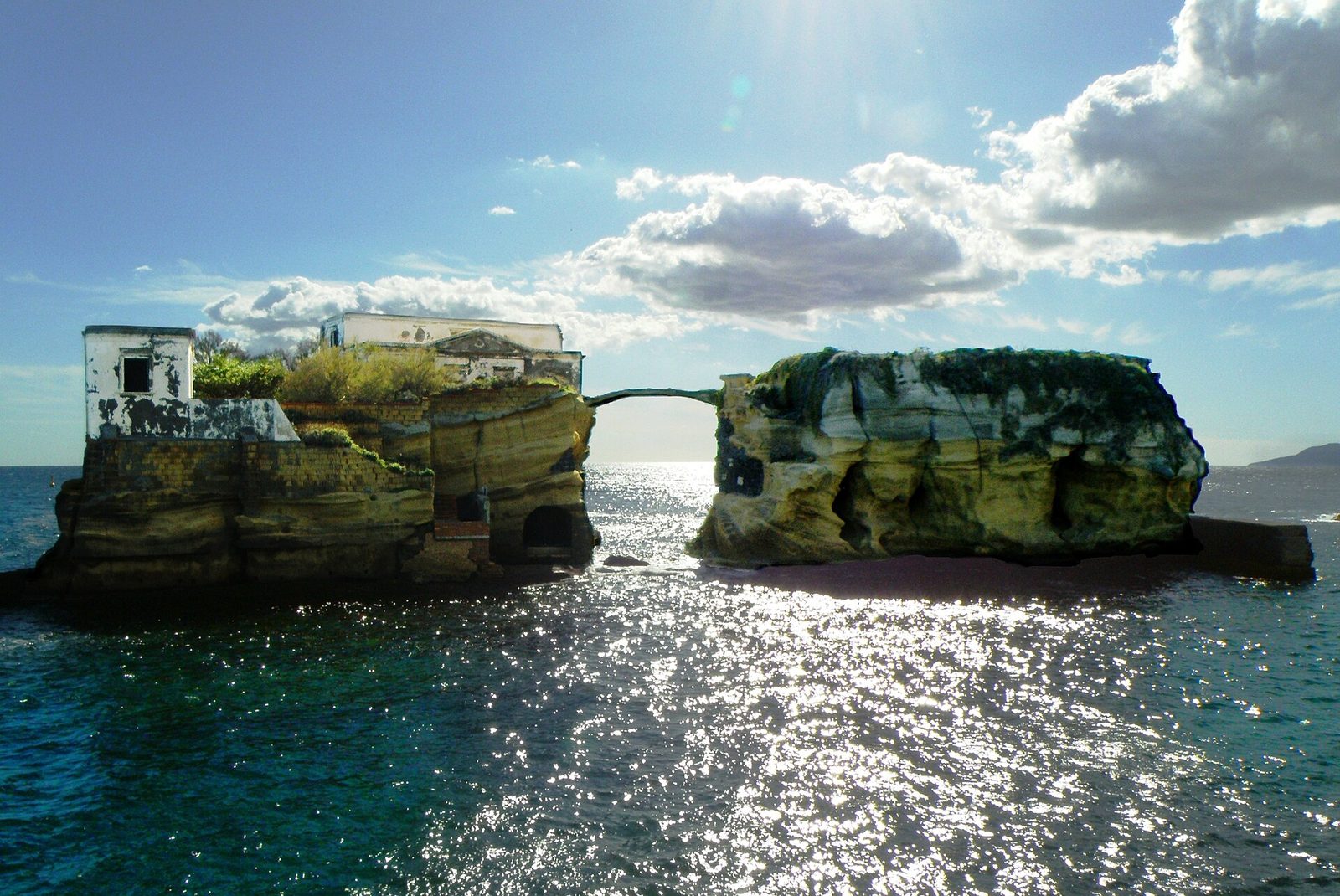
At the tip of Posillipo, two islets joined by a little stone footbridge sit just offshore, one of them topped by a villa with a dark reputation: a string of its owners met unhappy ends, which is how it earned its nickname as the cursed villa. The water around them is the Parco Sommerso di Gaiola, a marine protected area created in 2002 to cover Roman ruins that slid underwater as this volcanic coast slowly sank, including the seaside parts of the great villa built by Publius Vedius Pollio, a wealthy Roman of the age of Augustus.
Its tiny beach is the one everyone photographs. In recent summers access ran on free booking, capped at about 400 people a day in two shifts, with guaranteed entry for disabled visitors and people over 70. For 2026, though, the city’s bathing ordinance listed the Gaiola reserve among the no-swimming areas, to let marine life recover. So treat the Gaiola as a protected area to visit rather than a beach to count on, and check the marine park’s own announcements before you plan a swim. If swimming is off, walk down the Discesa Gaiola anyway for the view, or book a guided visit to the Pausilypon on the hill above, the archaeological park around Pollio’s villa and its small theater, which you enter through the Grotta di Seiano, a Roman tunnel cut straight through the hill.
Marechiaro and Trentaremi: by rock, kayak or boat
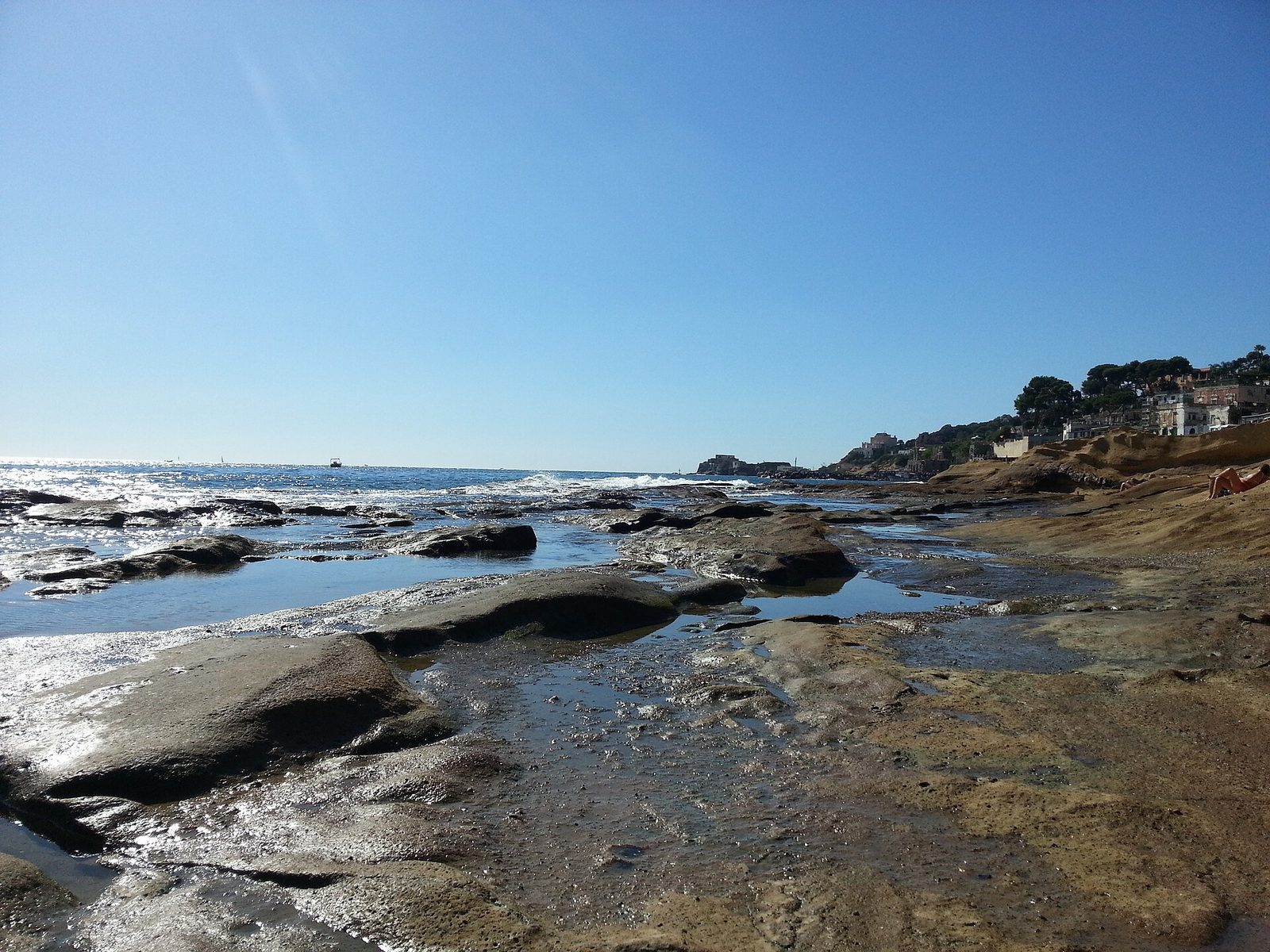
Farther along the coast, the old fishing hamlet of Marechiaro sits at the bottom of a steep lane, with seafood restaurants on the water and the little window, the fenestella, made famous by a 19th-century Neapolitan song. The swimming here is off the flat rocks and from the lidos and boat services that run in summer, and the water rated excellent in 2026. It’s the most beautiful stretch of the city’s coast, and it feels a world away from the traffic up on Via Posillipo.
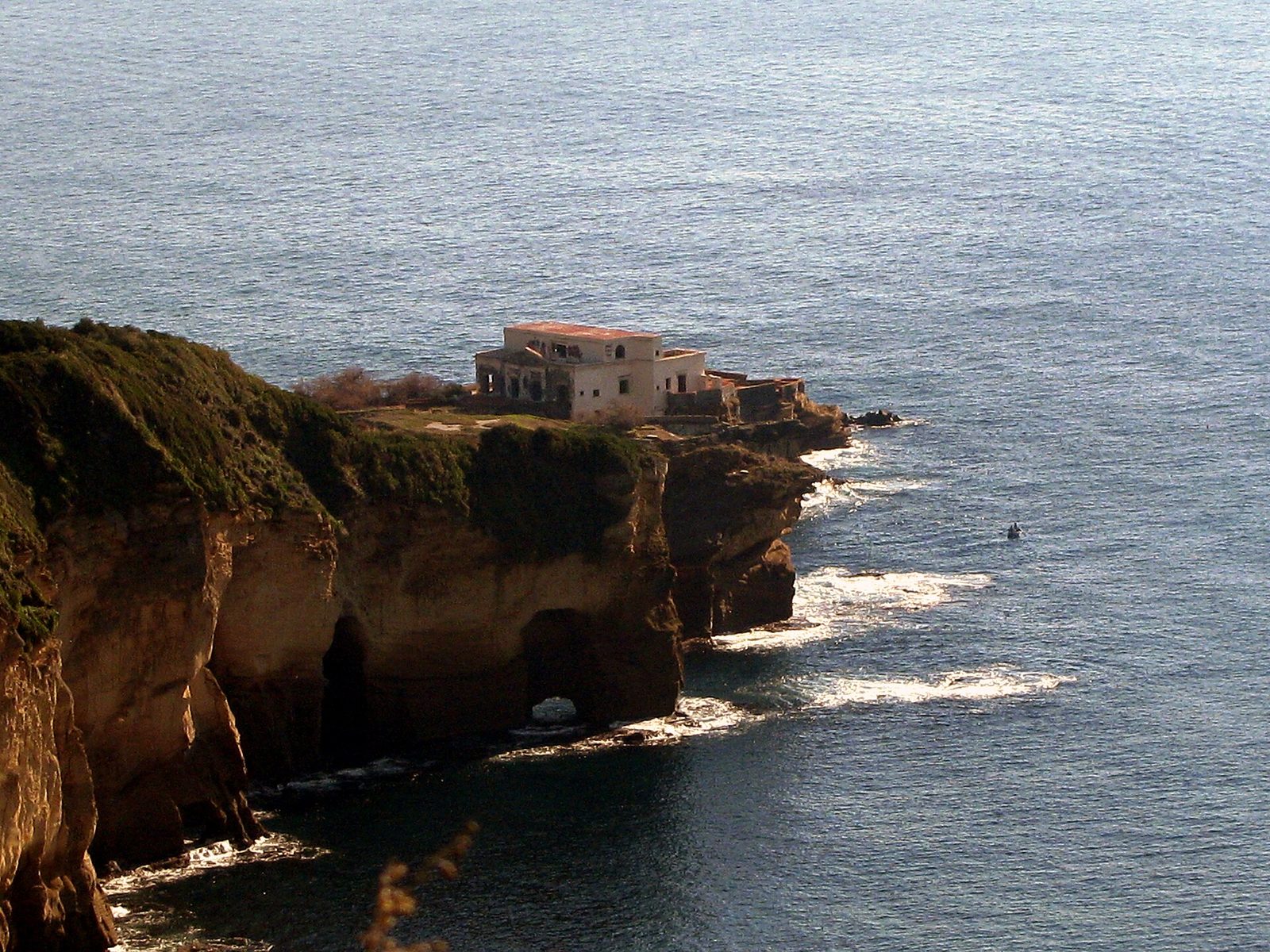
Between Marechiaro and the Gaiola lies the Trentaremi bay, a horseshoe of yellow tuff cliffs that you really only reach from the sea. The best way to see it is in a sea kayak or on a stand-up paddleboard. Several outfits run guided paddles along the Posillipo coast in summer, past Roman ruins, sea caves and villas you can’t see from the road, and on a hot day it’s one of the best things you can do in Naples, full stop. Small boats also shuttle people from Marechiaro to the coves and lidos along this stretch in season.
My verdict: if you’re only going to swim once inside the city limits, do it here. Go early, bring water shoes, and pair it with a long seafood lunch at Marechiaro on the way back up the hill.
Bagnoli and Nisida: off-limits
West of Posillipo, the old steelworks waterfront at Bagnoli is closed to swimmers. It’s in the middle of a long cleanup, and it’s where the America’s Cup teams have their bases for the 2027 regatta. Nisida, the small island joined to the mainland by a causeway, is a military zone and home to a juvenile prison, and its waters are closed too. You’ll see sandy stretches along Coroglio that look tempting from the road. Don’t swim there.
The Campi Flegrei: the closest real sand
West of Naples, past Pozzuoli, the Campi Flegrei (the Phlegraean Fields) are a landscape of craters, crater lakes and Roman ruins that ends in a hooked peninsula pointing at Procida. This is where Neapolitans with a car go when they want sand, and it’s my top pick for a beach day from the city that doesn’t involve a boat. The area’s sights, from the amphitheater at Pozzuoli to the Sibyl’s cave at Cuma, are covered in the Campi Flegrei guide.
Miliscola and Miseno
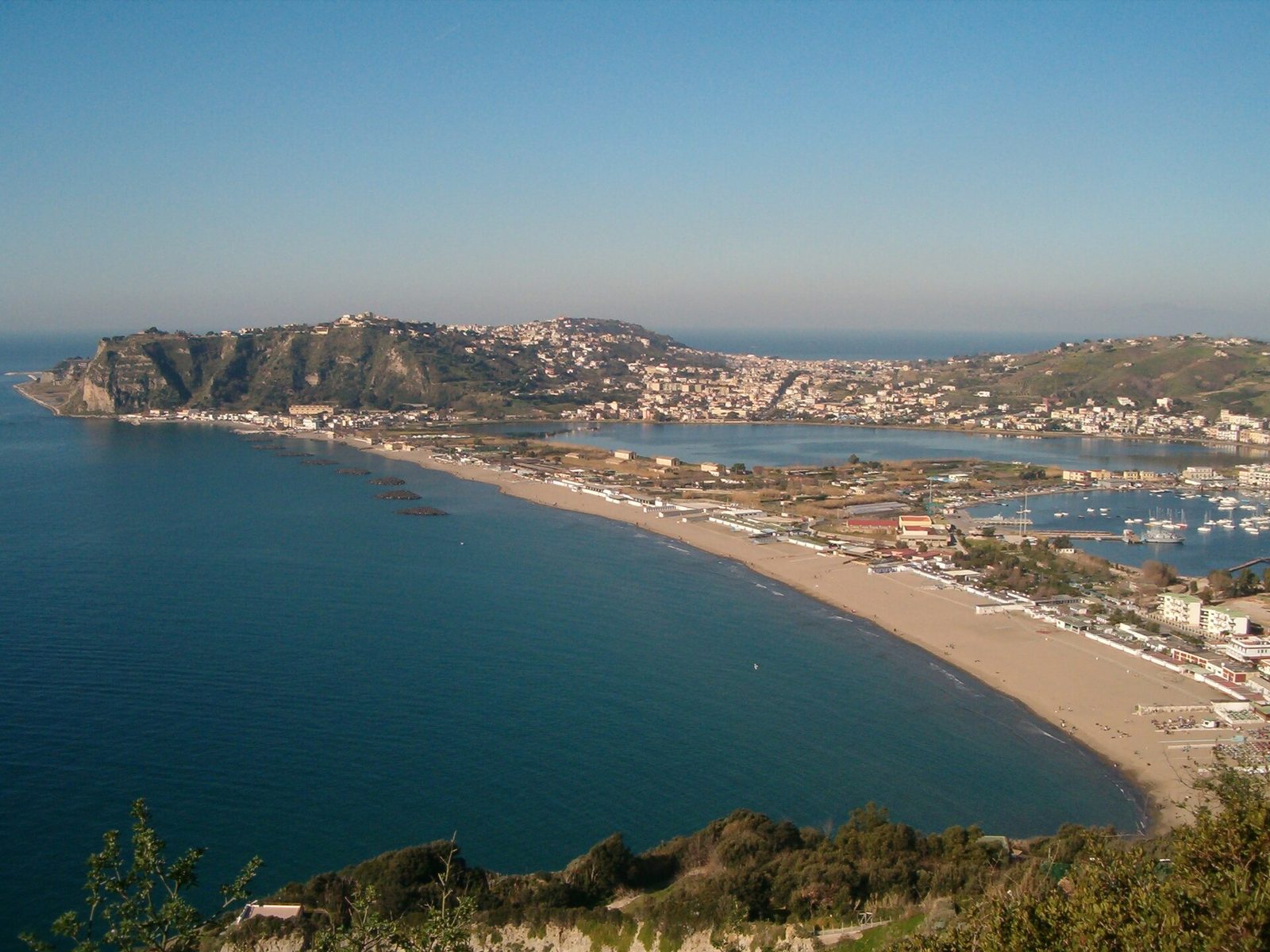
Miliscola is a long, straight sandy beach on a strip of land between the open sea and the lake of Miseno, in the town of Bacoli. The name is usually traced back to the Latin militum schola, the soldiers’ school, because the Roman imperial fleet was based at Misenum next door. Today the beach is a mix of lidos and free stretches, the sand shelves gently, and the water is shallow enough near the shore for small children, which is rare around Naples. At the end of the beach the Miseno headland rises sharply, with more beaches tucked below it facing the Gulf of Pozzuoli and views across to Procida and Ischia.
Expect a local crowd: families, students, loud music, pizza from beach bars and serious traffic on summer weekends. Midweek it’s a calmer, more spacious place. If you want sand under your towel and a proper beach day within an hour of central Naples, this is it.
Lucrino, Baia and the boat-only coves
Closer to Pozzuoli, Lucrino has a string of lidos right beside its Cumana station, which makes it the easiest beach in the area to reach by train. Around the corner, Baia is a small harbor town where the Romans built their pleasure villas, and much of that resort now lies underwater thanks to the same slow sinking that drowned the Gaiola ruins. The Parco Sommerso di Baia, the underwater park, is one of the most unusual swims in Italy: snorkel and glass-bottom boat tours float over mosaic floors, villa walls, roads and copies of the statues found in an imperial dining room, all a few meters below the surface. Below Baia’s Aragonese castle, the Spiaggia del Castello is a small beach reached by boat from the harbor.
My verdict: book a snorkel tour of the underwater park. Of everything on this page, it’s the one thing you can’t do anywhere else in the world.
Torregaveta, Cuma and Licola
At the end of the Cumana line, Torregaveta has a beach right by the station, handy rather than beautiful. North of the ancient acropolis of Cuma the coast straightens into the long sandy beaches of Licola and, beyond, the Domitian coast. The sand goes on for miles, but water quality has been patchy, the surroundings are scrappy, and I wouldn’t choose it over Miliscola.
Getting there without a car
The Cumana railway runs from Montesanto in central Naples through Pozzuoli to Torregaveta, and the whole line reopened on September 11, 2026 after earthquake-related works, with a new Pozzuoli station. For Lucrino, get off at Lucrino. For Miliscola and Miseno, ride to Fusaro or Torregaveta and connect by EAV local bus or a short taxi ride, and allow an hour or more door to door. Tickets and the current state of the line are on the getting around Naples page. By car it’s under an hour from central Naples on the Tangenziale ring road, but summer weekend traffic and the hunt for parking near the beaches can double that.
The bradyseism question
The Campi Flegrei are an active volcanic area, and for several years the ground has been rising and shaking in the slow process Italians call bradisismo (bradyseism). The strongest quake of the current phase, a magnitude 4.7, struck on July 31, 2026. The Civil Protection alert level is yellow, the second of four, which means stepped-up monitoring rather than any evacuation, and it was still yellow when I checked in early October 2026. The towns and beaches are open, and people live, work and swim here every day. Some sites have been affected, though, and a few remain closed after the July quake, so read the Campi Flegrei guide for the current picture before you go. And if you feel a tremor while you’re on the beach, keep away from the base of the cliffs, which is good advice anywhere on this coast.
Procida: the easiest island beach day
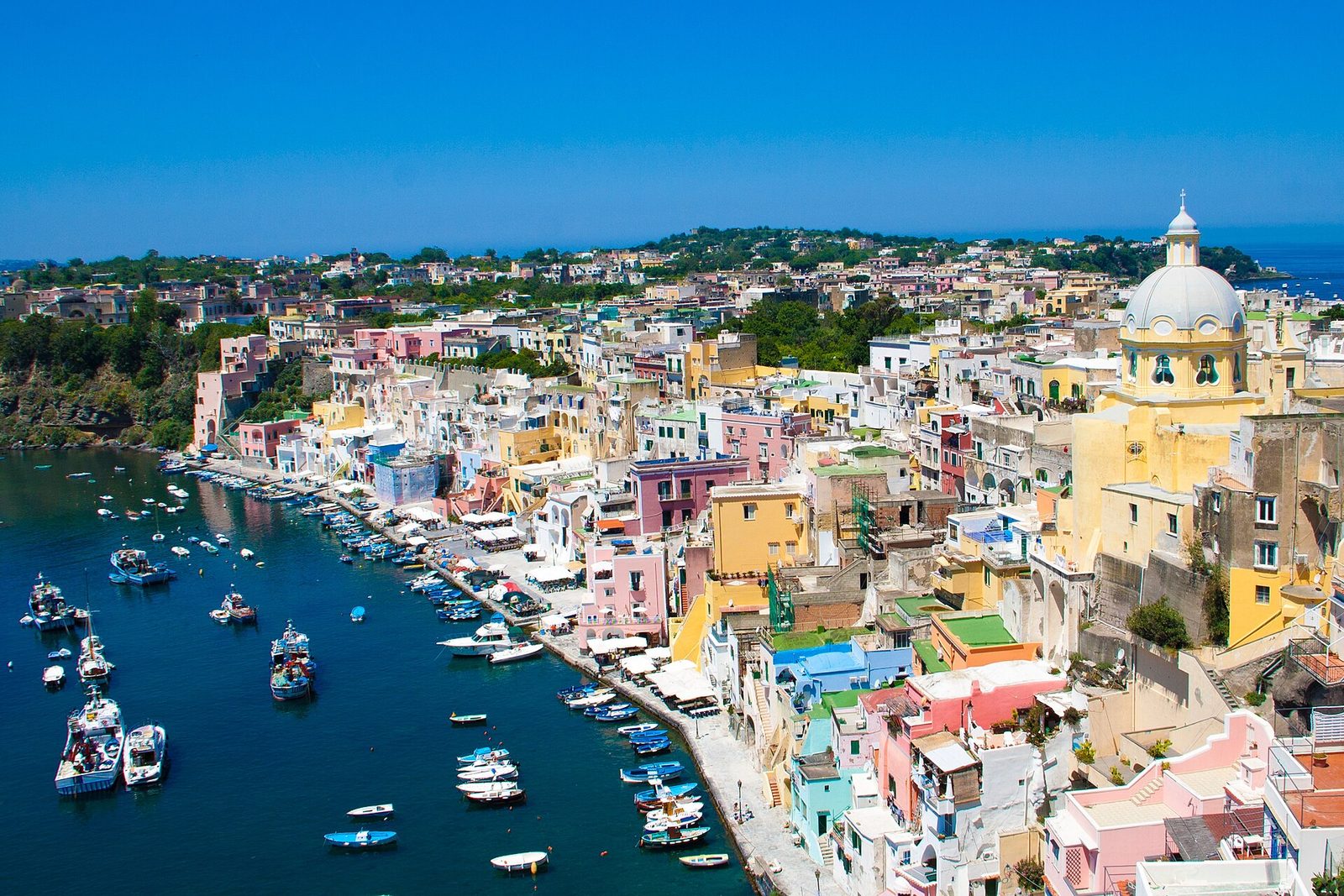
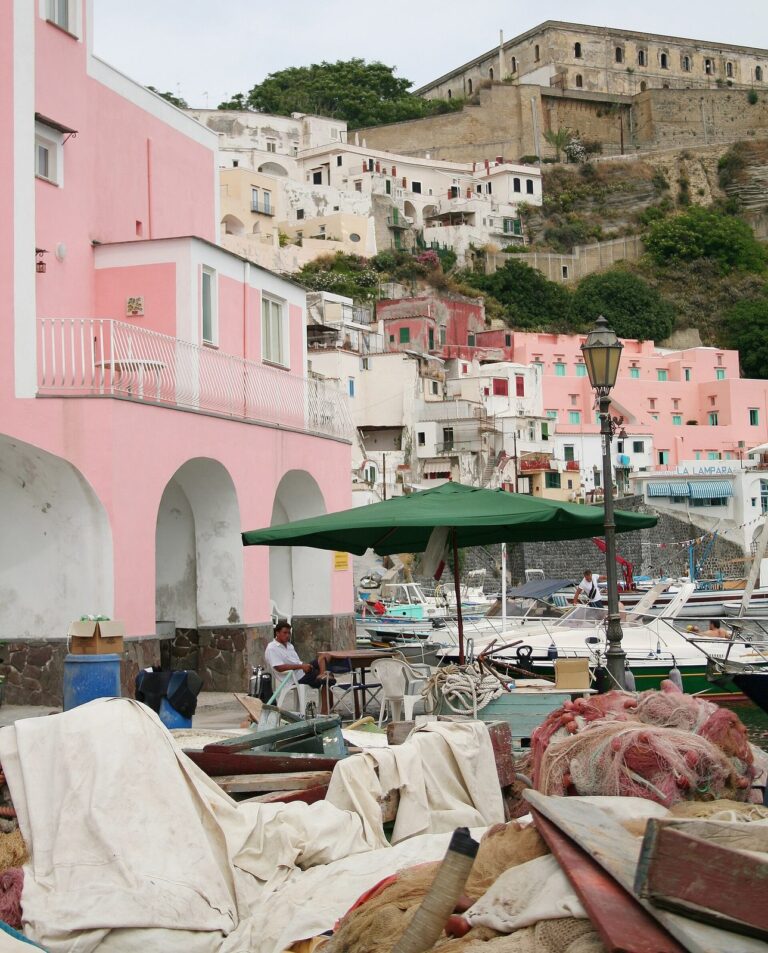
Procida is the smallest of the three big islands in the bay, the closest to Naples at roughly 40 minutes by hydrofoil, and for a beach day it’s the easiest by a distance. It’s a lived-in island rather than a glamorous one, the beaches are small and family-friendly, and the little EAV buses get you from the port to the sand in minutes. Boats leave from the city’s port, and the Naples ferry guide has the ports, operators and timetables. The island itself, from the Corricella to Terra Murata, is covered in the Procida guide; here’s the beach list.
- Chiaiolella: the main beach, a curve of sand at the island’s southwest corner beside the footbridge to Vivara, a small nature-reserve island. There are lidos, free stretches, a little marina with restaurants, and the sunset over Ischia. The L1 and L2 buses run there from the port.
- Ciraccio and Ciracciello: the longest stretch of sand on the island, running north from Chiaiolella along the west coast. Quieter, with free stretches and views across to Ischia.
- Pozzo Vecchio: a cove of dark volcanic sand on the north side, below the cemetery, famous as the beach in Il Postino. The C1 bus goes there from the port.
- Chiaia: a long beach below the island’s high middle, reached by a flight of steps from the road above or by a short boat ride from the Corricella, with a couple of restaurants right on the sand.
My verdict: for most people staying in Naples, a Procida beach day is the best balance of effort and reward on this page. The crossing is short, you don’t need a car, the buses are simple, and you get sand, clear water and a seafood lunch at the Corricella on the way back to the boat. If you only do one beach trip, make it this one.
Ischia: sand, hot springs and thermal parks
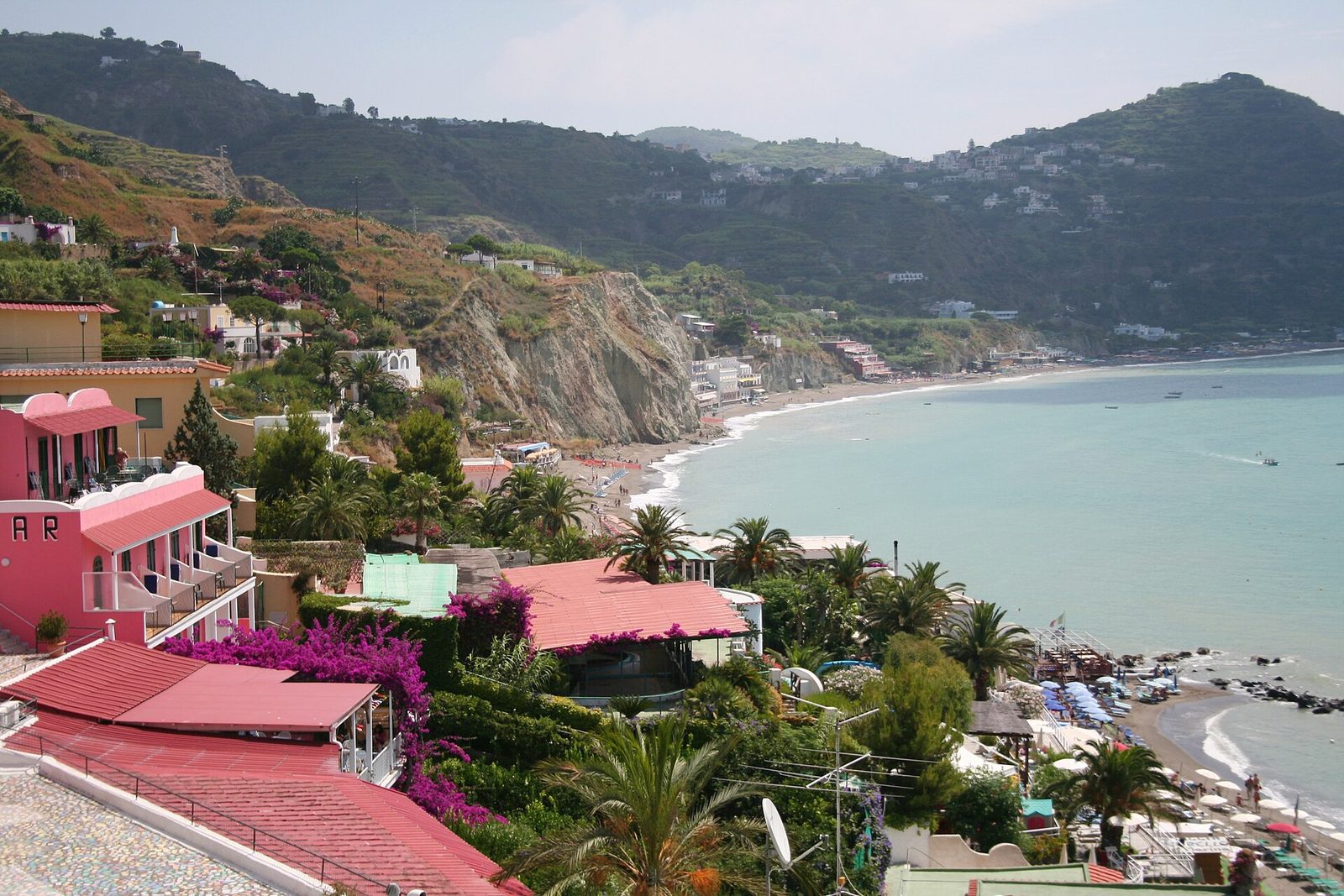
Ischia is bigger, greener and more volcanic than Procida, and it’s the one island in the bay with genuinely long beaches. It’s also where swimming and thermal bathing merge: hot springs bubble up through the sand and into the sea in several places, and the island’s thermal parks wrap pools of warm mineral water around their own private beaches. It’s around an hour from Naples by hydrofoil. For a beach-focused visit I’d stay at least one night, because the best spots are on the far side of the island from the main ports. The Ischia guide covers where to stay and how to get around.
- The Maronti: the longest beach on the island, on the south coast below Barano, with lidos, free stretches and volcanic vents that make the sand too hot to walk on barefoot in places. Water taxis run there from Sant’Angelo.
- Sant’Angelo: a car-free fishing village at the western end of the Maronti, with water taxis to the beach and to the coves around the point. A good base for a lazy couple of days.
- Sorgeto: a rocky cove at Panza in the southwest where hot springs pour into the sea among the boulders. Free, reached by a long staircase or by water taxi from Sant’Angelo. It’s at its best in the evening or out of season, when the contrast between the hot pools and the cool sea is the whole point.
- Citara: a sandy bay at Forio on the west coast, home to the Giardini Poseidon, the largest thermal park on the island, with more than 20 pools.
- San Montano: a sheltered sandy bay at Lacco Ameno, with the Negombo thermal park and gardens wrapped around it.
- Cartaromana: a small bay below the Castello Aragonese, with warm springs under the water and the best view of the castle from sea level.
The thermal parks are seasonal, opening roughly from spring to mid-autumn, and a day ticket costs somewhere in the €30 to €70 range depending on the park, the season and whether you arrive for the afternoon (secondary sources, checked September 2026). That includes the pools and a sunbed on the beach, so for a family it can work out no dearer than a lido plus lunch.
My verdict: Ischia is the best beach island in the bay if you stay over. As a day trip from Naples it’s doable, but you’ll spend a big chunk of the day on buses getting from the port to the good beaches and back again.
Capri: gorgeous water, very few beaches
Capri is the island everyone wants to swim at, and the water really is extraordinary, every shade from turquoise to ink. What the island doesn’t have is much in the way of beaches. What it has instead is pebble coves, rock platforms and some of the most famous beach clubs in Italy. The island itself, including the landing fee, the Blue Grotto and the ferries, is covered in the Capri day trip guide.
- Marina Piccola: on the south side of the island, two small pebble coves with lidos on either side of the Scoglio delle Sirene, the rock where legend places the sirens. The easiest beach on the island to reach, by bus from Capri town or on foot down a long path.
- Bagni di Tiberio: west of Marina Grande, a lido beside the ruins of a Roman seaside villa, reached by a short boat shuttle or a walk from the port.
- The Faraglioni clubs: La Fontelina and Da Luigi ai Faraglioni sit on the rocks at the foot of the famous stacks. You reach them by a steep path down from Capri town or by their own boats from Marina Piccola. Beautiful, very expensive, and they need booking in season.
- Punta Carena: the lighthouse at the island’s southwestern tip, below Anacapri, with rock platforms, a lido and the best sunsets on the island.
My verdict: on Capri, don’t go looking for a beach. Take a boat trip around the island, shared or private, and swim off the boat in the coves, then have a drink at one of the clubs if you want the experience. On a day trip, the hour or more you’d spend getting down to a beach club and back up again is better spent on the water.
Sorrento and the Sorrentine peninsula
Sorrento sits on top of cliffs, so its beaches are mostly wooden bathing piers and platforms built out over the water at Marina Piccola and Marina Grande, reached by elevators or long staircases from the town. They’re comfortable and well run, but they aren’t beaches in the usual sense. The rewarding swimming is along the coast to the west, toward Massa Lubrense and the tip of the peninsula, and closer to Naples at Vico Equense. The town itself is covered in the Sorrento guide.
- Bagni della Regina Giovanna: at Capo di Sorrento, a natural rock pool joined to the open sea by an arch, among the ruins of the Roman villa of Pollio Felix. It’s free and beautiful, and in summer it’s crowded by 10 a.m. Expect a walk of 15 to 20 minutes down from the road at Capo di Sorrento, and be aware that the town can limit access by ordinance.
- Marina di Puolo: a small fishing-village beach of sand and pebbles between Sorrento and Massa Lubrense, with lidos and a free stretch, popular with local families.
- Marina del Cantone: a pebble bay at Nerano near the end of the peninsula, known as much for its restaurants as its swimming. This is the home of spaghetti alla Nerano, made with fried zucchini and cheese.
- Baia di Ieranto: a wild bay protected by the FAI, Italy’s equivalent of the National Trust, reached by a footpath of about an hour from Nerano or by boat. Some of the clearest water on the coast, and no lidos at all.
- Vico Equense: closer to Naples, with small beaches at Marina di Vico and Seiano and the advantage of a station on the Circumvesuviana line.
My verdict: the peninsula works as a day trip from Naples if you take the train to Sorrento and continue by bus or boat, but it’s far better if you’re staying in Sorrento. Then the Bagni della Regina Giovanna early in the morning and a long lunch at Marina del Cantone make one of the best beach days on this coast.
The Amalfi Coast
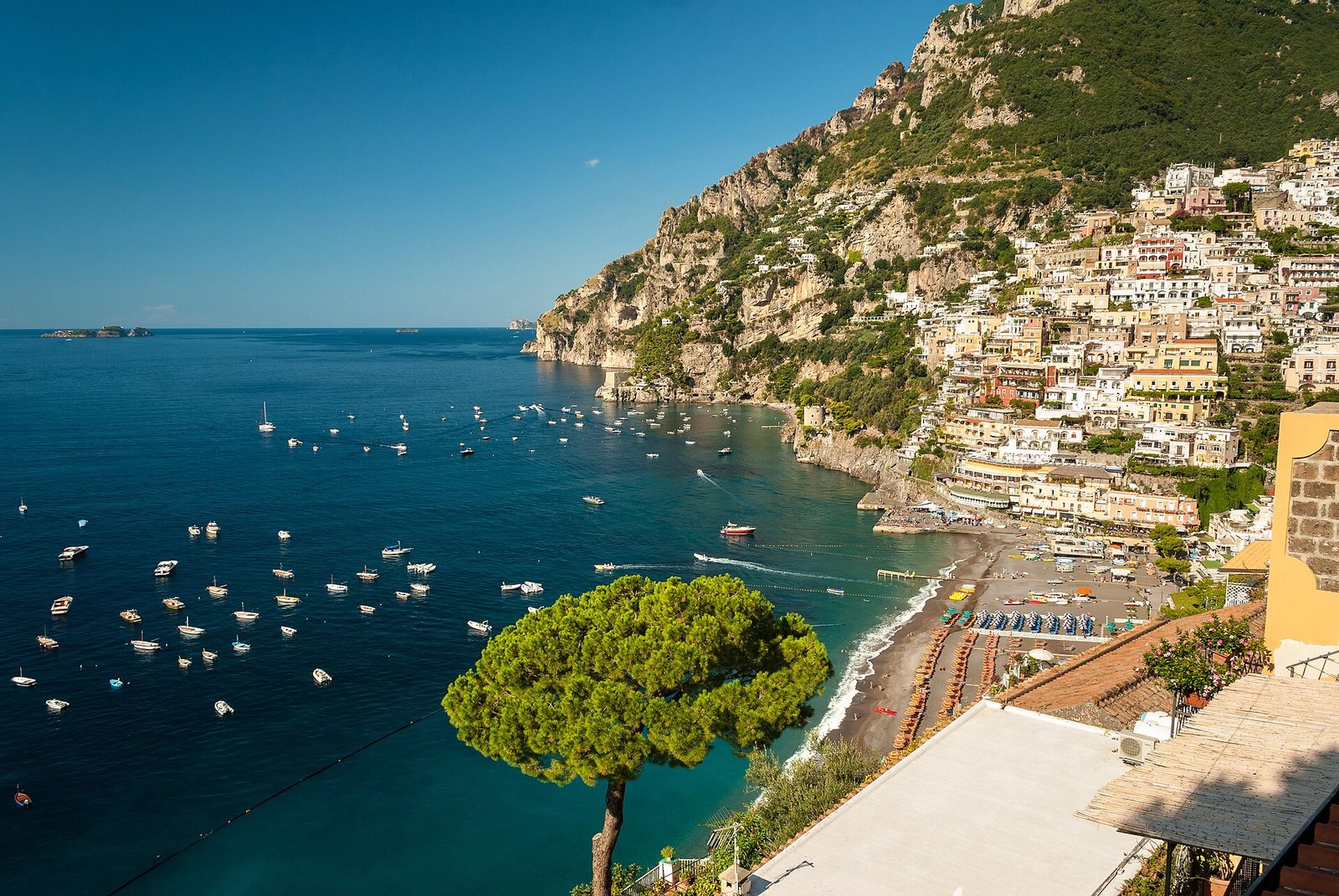
The Amalfi Coast is a coast of cliffs, and its beaches are mostly narrow strips of gray pebbles at the bottom of ravines, filled with rows of colored umbrellas. They’re still some of the most photographed places to swim in Europe, and the famous ones are among the most expensive. For how to do the coast from Naples, by boat, train and bus, see the Amalfi Coast from Naples guide.
- Positano: the Spiaggia Grande is the main beach in front of the town, part lido and part free. Fornillo, around the headland along a cliff path, is smaller and more relaxed. Arienzo, east of town, is down a few hundred steps or reached by boat, and Laurito is a cove served by a restaurant’s boat shuttle.
- Praiano: Marina di Praia is a tiny cove between cliffs with a couple of restaurants, and Gavitella faces west for the sunset.
- Furore: the fjord, a deep cleft in the cliffs crossed by a road bridge, is a photo stop rather than a beach day.
- Amalfi and Atrani: Amalfi’s Marina Grande beach sits beside the port, and coves such as Duoglio and Santa Croce are reached by boat. Atrani, a few minutes’ walk away, has a small beach right under the village.
- Maiori and Minori: Maiori has the longest beach on the coast, mostly sand, and it’s the most practical choice for families. Minori next door is smaller and quieter.
Getting there takes time. Ferries run in season, about an hour and a half to Positano, or you take the train to Sorrento and the SITA bus along the coast road. In high summer the buses are full and driving the coast road is miserable.
My verdict: if you’re staying on the coast, the beaches are lovely. As a day trip from Naples purely for a swim, though, it has the worst ratio of travel time to time in the water of anything on this page.
Further afield: Paestum, the Cilento and the Domitian coast
South of Salerno the coast flattens into wide sandy beaches backed by pine woods, and the character of the seaside changes completely. At Paestum you can see three of the best-preserved Greek temples in the world in the morning and lie on a long free beach in the afternoon, which is about as good a summer day as Campania offers. The temples are covered in the Reggia di Caserta, Paestum and inland Campania guide, and regional trains from Naples stop at Paestum’s station, a walk from the temples, with the beach a little farther on.
Farther south, the Cilento coast (Castellabate, Palinuro, Marina di Camerota) has some of the cleanest water in southern Italy and collects a handful of Blue Flags most years. It’s two to three hours from Naples, though, and it really wants a car and a night or two.
North of Naples, the Domitian coast around Castel Volturno has miles of sand and a long history of pollution and illegal building. I’d skip it.
Which beach near Naples is best for you?
For a half day without leaving the city
Posillipo. Take the bus along Via Posillipo and swim off the rocks at Marechiaro or from one of the lidos, book a free slot at the Spiaggia delle Monache, or join a guided kayak trip around the Trentaremi bay. You can be back in the center for dinner.
For sand on an easy day trip
Procida, and specifically the Chiaiolella or the long Ciraccio beach. If you have a car and it’s a weekday, Miliscola in the Campi Flegrei is closer and just as sandy.
For families with small children
Look for sand that shelves gently and a lido with shade, toilets and a lifeguard: Miliscola, the Chiaiolella on Procida, the Maronti or San Montano on Ischia, Maiori on the Amalfi Coast, or the beaches at Paestum. Avoid the rock platforms with toddlers; deep water off a ladder is no place for a four-year-old. Older children who swim well, on the other hand, tend to love the rocks, the jumping and the snorkeling, so a Posillipo morning can be the highlight of their trip.
For snorkeling
The underwater park at Baia, for the Roman ruins, is the standout. After that, the Posillipo coast around Trentaremi by kayak, the Baia di Ieranto on the Sorrento peninsula, and the coves around Capri from a boat. Bring your own mask if you can; the rental ones are rarely good.
For one splurge
A beach club under the Faraglioni on Capri or on Positano’s Spiaggia Grande, booked well ahead, with lunch included in your plans and your budget. Go knowing what it costs and it’s a fine treat; stumble into it at the front row in August and it can sour the day.
For hot springs in the sea
Ischia: Sorgeto at dusk, the warm water at Cartaromana under the castle, or a full day in one of the thermal parks at Citara or San Montano.
Getting to the beaches without a car
Every beach on this page can be reached by public transport from central Naples. The times below are rough door-to-door guides for planning; for tickets and fares see the getting around Naples guide, and for boat timetables and ports the Naples ferry guide.
| Destination | How | Rough time from the center | Good to know |
|---|---|---|---|
| Posillipo lidos and Marechiaro | Bus 140 along Via Posillipo, or a taxi | 20 to 40 minutes | The lane down to Marechiaro is steep; save energy for the walk back up |
| Lucrino | Cumana train from Montesanto | Under an hour | Lidos right by the station |
| Miliscola and Miseno | Cumana to Fusaro or Torregaveta, then EAV bus or taxi | About an hour or more | Easiest by car on a weekday |
| Procida | Hydrofoil or ferry from the port | About 40 minutes by hydrofoil | Island buses run to every beach |
| Ischia | Hydrofoil or ferry from the port | Around an hour by hydrofoil | The best beaches are across the island from the ports |
| Capri | Fast boat or ferry from the port | About 50 minutes by fast boat | Swim from a boat tour rather than hunting for a beach |
| Sorrento peninsula | Circumvesuviana to Sorrento, then bus | Just over an hour to Sorrento | Take the Sorrento line, not the Sarno branch |
| Positano | Seasonal ferry, or train and SITA bus | About 1 hour 30 minutes by ferry | Buses fill up in high summer |
| Paestum | Regional train | Around 1 to 1.5 hours | Temples in the morning, beach in the afternoon |
Water quality, safety and beach practicalities
Is the sea clean? Mostly, yes, away from the port. ARPAC samples bathing waters through the season, and the ratings it produces feed the city’s ordinance, with most of Posillipo rated excellent in 2026. The Italian Ministry of Health’s bathing water portal shows the current classification and any temporary bans for every stretch of coast in Italy, and it’s worth a look before you go. After heavy rain, short-term bans near drains and outfalls are common, so give the sea a day to clear after a storm.
Rocks and urchins. Most swimming around the bay is off rocks or pebbles. Water shoes make the difference between a good day and a foot full of urchin spines.
Jellyfish. The mauve stinger turns up in some summers, sometimes in large numbers for a few days. Lifeguards and lido staff know when they’re around and can help if you get stung; the nearest pharmacy will have a soothing gel.
Flags and lifeguards. A red flag means no swimming. Lifeguards work at the lidos during the official season, but many free beaches and rock platforms have no one at all, so swim within your limits, especially off rocks in a swell.
Boats. In summer the sea off Posillipo, Capri and the Amalfi Coast is busy with motorboats. Stay inside the buoyed swimming areas where they exist, and if you’re swimming any distance from the shore, a bright swim buoy makes you visible.
Your things. Don’t leave phones and wallets on a towel while everyone swims. Take turns, bring a waterproof pouch, or use a lido locker if there is one. There’s more on staying street-smart in the Naples travel tips guide.
Shade and heat. Free beaches rarely have any shade. Bring a hat and plenty of water, and if you’re staying for the day, rent or bring an umbrella.
Accessibility. Free beaches around Naples are hard going for anyone with limited mobility, with steep steps and rocks, though the Gaiola booking system guaranteed access for disabled visitors in recent seasons. Larger lidos at Miliscola, on Ischia and at Paestum are far easier, and some have beach wheelchairs; ask ahead.
What to pack. Water shoes, a mask and snorkel, cash, a hat, sunscreen, a light towel and a plastic bag for wet swimsuits on the train home.
What to skip
- Swimming at Bagnoli and Coroglio. It’s banned, the area is in the middle of a cleanup, and the America’s Cup bases are there. Look, don’t swim.
- Swimming near the port or Mergellina. Banned for good reason: boat traffic and harbor water.
- The Domitian coast and Castel Volturno. Lots of sand, a long history of pollution and illegal building. There are far better options closer to the city.
- The Amalfi Coast as a beach day trip in high summer. Three hours of travel for a few hours on crowded pebbles. Go for the towns and stay over if you want its beaches.
- Front-row Capri club prices on a whim. Fine as a planned treat; a shock if you wander in at lunchtime.
- Counting on the Gaiola. The reserve was a no-swimming area in 2026. Visit it, but plan your swim elsewhere unless the park confirms access.
- Packaged beach-day tours. Many spend more time in a minibus than in the water. A public hydrofoil to Procida does the same job for a fraction of the price.
- Driving to Posillipo on a summer weekend. Take the bus or a taxi and save yourself an hour of hunting for a space.
Beaches near Naples: frequently asked questions
Does Naples, Italy have a beach?
Not much of one. Central Naples has a short strip of free sand on Via Caracciolo, the Mappatella Beach, plus breakwater rocks along the seafront and lidos and small coves along Posillipo. For real sand, go to Miliscola and Miseno in the Campi Flegrei, or take a boat to Procida or Ischia.
What is the closest sandy beach to Naples?
Miliscola and Miseno in Bacoli, in the Campi Flegrei west of the city. They’re under an hour by car, or about an hour by the Cumana train plus a local bus or taxi, and they have both lidos and free stretches of sand.
Can you swim in the sea in Naples?
Yes. Most of the Posillipo coast, Marechiaro and Via Caracciolo were rated excellent for bathing in 2026. Swimming is banned around the port and Mergellina, at Bagnoli, around Nisida and in the Gaiola reserve, so check the signs and avoid the sea for a day after heavy rain.
Are the beaches near Naples free?
Some are. Rocks and public beaches cost nothing, and the small free beaches at the Spiaggia delle Monache and Donn’Anna in Posillipo have used free online booking in recent summers. Most of the comfortable spots, with sunbeds, shade, toilets and a lifeguard, are lidos that charge for entry or equipment.
How much does a lido cost near Naples?
In the city, recent price lists put a sunbed or umbrella at roughly €7 to €12 each, sometimes with a separate entrance fee and cheaper afternoon rates (checked October 2026). The famous clubs on Capri and in Positano charge several times that. Prices rise on weekends and in high summer.
Do I need to book the beaches in Posillipo?
For the free beaches at the Spiaggia delle Monache and Donn’Anna, yes: in recent summers access has been by free online booking, with limited places and a booking that lapses if you arrive after 1 p.m. For the lidos, booking isn’t required, but it’s wise on weekends.
What is the best beach day trip from Naples?
Procida, for ease: a short hydrofoil ride, simple buses and sandy beaches like the Chiaiolella. Ischia has better and longer beaches but works best with an overnight stay. For pure swimming in spectacular water, take a boat trip around Capri and swim from the boat.
When is beach season in Naples?
The official bathing season in 2026 ran from May 1 to September 30, when lifeguards and lido services operate. You can swim outside those dates at your own risk, and many locals do. For sea temperatures and crowds through the year, see the best time to visit Naples guide.
Is it safe to go to the beaches in the Campi Flegrei?
Yes. The area is under a yellow volcanic alert, the second of four levels, which means heightened monitoring rather than evacuation, and its towns and beaches are open. Check the latest news before you go, and keep away from the base of cliffs if you feel a tremor.
Photo credits
- Miliscola beach and Capo Miseno from Monte di Procida (featured image): photo by Denghiù, Wikimedia Commons, Public domain.
- The Gaiola islets, Posillipo: photo by Mattia Luigi Nappi, Wikimedia Commons, CC BY-SA 4.0.
- The Marechiaro coast looking toward Nisida: photo by ChristiHarri, Wikimedia Commons, CC BY-SA 4.0.
- The Trentaremi bay and the Gaiola: photo by gennaro fusco, Wikimedia Commons, CC BY-SA 2.0.
- Marina Corricella, Procida: photo by DIANA.GRYGAROVA, Wikimedia Commons, CC BY-SA 4.0.
- The Maronti beach from Sant’Angelo, Ischia: photo by Rudolfo Kithera, Wikimedia Commons, CC0.
- Positano above the Spiaggia Grande: photo by Mihael Grmek, Wikimedia Commons, CC BY-SA 4.0.
Sources: bathing season, water-quality ratings and no-swimming zones from the City of Naples’ 2026 bathing ordinance as reported on April 30, 2026; Posillipo free-beach booking rules from recent-season reporting and the 2026 updates on the Spiaggia delle Monache; lido prices from recent-season published price lists; Campi Flegrei alert level from Civil Protection updates; bathing-water classifications on the Ministry of Health’s portal. All checked October 2026.