On this page
Last updated September 16, 2026. Michelin stars checked against the 2026 Michelin Guide Italy as reported in July 2026; restaurant names limited to places with a long, public track record. Kitchens change, owners retire and trattorias close for August, so check current hours and recent reviews before you set out.
The best restaurants in Naples, Italy are often plain trattorias, not grand dining rooms. In Naples, Italy, eat Sunday ragù and genovese at old family places, seafood in Chiaia or at Borgo Marinari, and pizza on Via dei Tribunali. For a splurge, the city has four Michelin-starred restaurants in 2026, led by two-star George.
Naples has an unusually sharp divide between the places that feed Neapolitans and the places that feed people passing through. The first kind is often loud, cheap, handwritten and wonderful. The second kind has a man outside with a laminated menu, photos of every dish and a price for “fresh fish” that you’ll only discover when the bill arrives. The distance between them can be fifty meters.
Most restaurant lists for Naples don’t help you tell them apart; they rank whatever has the most reviews. This guide does something different. It explains how eating out in Naples works, what kinds of places to look for, which long-established names have earned their reputations, where the Michelin stars are, what each neighborhood is good for, and exactly how the tourist traps operate so you can walk past them. For the dishes themselves, see my guide to Naples food, and for pizza, which deserves its own page, see the best pizza in Naples.
Best restaurants in Naples Italy at a glance
Cost bands are for a typical meal per person without much wine, in 2026: € under €20, €€ €20–40, €€€ €40–80, €€€€ over €80. They’re a guide to the tier, not a quote.
| Type of place | What you’ll eat | Where to find it | Cost band | My verdict |
|---|---|---|---|---|
| Traditional trattoria | Ragù, genovese, pasta e patate, parmigiana, daily specials | Centro storico, Quartieri Spagnoli, around the station | €–€€ | The heart of eating in Naples |
| Seafood restaurant | Spaghetti alle vongole, fried anchovies, fish of the day | Chiaia, Borgo Marinari, Mergellina, Posillipo | €€–€€€ | Worth it; watch the fish pricing |
| Pizzeria | Margherita, marinara, fried starters | Everywhere, especially Via dei Tribunali | € | Non-negotiable, at least twice |
| Friggitoria and rosticceria | Fried street food, arancini, frittatine, parmigiana by the slice | Centro storico, markets, Vomero | € | The best cheap lunch in Italy |
| Historic restaurant | Neapolitan classics in a traditional dining room | Near the station, the port and Chiaia | €€–€€€ | Good for a proper sit-down dinner |
| Contemporary osteria and bistro | Updated Neapolitan and Campanian cooking, natural wines | Chiaia, Vomero, centro storico | €€–€€€ | Good when you’ve had your fill of fried food |
| Michelin-starred restaurant | Tasting menus built on Campanian produce | Chiaia, the port, Corso Vittorio Emanuele | €€€€ | A special occasion, and good value against Rome or Milan |
How eating out in Naples works
Mealtimes
Neapolitans eat lunch from around 1 p.m. to 3 p.m. and dinner from about 8 p.m., often later in summer, when many pizzerias only get busy after 9 p.m. Most trattorias close between lunch and dinner. If you walk in at 6 p.m. looking for a meal, you’ll find bars, pizzerias opening up and places aimed at visitors, which is itself a small clue about where you’re eating.
Closures
Many family restaurants close one day a week, often Sunday evening or Monday, and a lot of them close for a week or two around the mid-August holiday. Some traditional places only cook certain dishes on certain days: ragù on Sundays, for example, or fish on Fridays. Check before making a special trip.
Reservations
For small trattorias on weekend evenings, Sunday lunch and any restaurant with a reputation, book ahead, even if it’s just a call the same morning. Hotels and B&B hosts are usually happy to phone for you. Pizzerias rarely take bookings; you put your name down and wait.
How a meal is structured
A traditional Italian menu runs from antipasti (starters) to primi (pasta, soups and rice), secondi (meat or fish), contorni (vegetable side dishes, ordered separately) and dolci (desserts). Nobody expects you to eat all of them. Ordering a pasta and a shared side, or a starter and a main, is completely normal. In a trattoria, the daily specials are often told to you out loud rather than written down, and they’re usually the best things available.
The bill: coperto, servizio and tipping
Most sit-down restaurants charge a coperto, a per-person cover charge for bread and the table setting. It’s legal as long as it’s shown on the menu, and in Naples it’s usually modest. A servizio, a service charge, is less common in traditional places; if it’s added, it should also be on the menu, and you don’t need to tip on top. Where there’s no service charge, rounding up or leaving a few euros for good service is generous. Tipping 15 to 20 percent, as in the US, isn’t expected.
Italian law requires businesses to give you a proper receipt (scontrino) and to accept card payments, though small family places still prefer cash. Waiters won’t bring the bill until you ask for it: “Il conto, per favore.”
The traditional trattorias
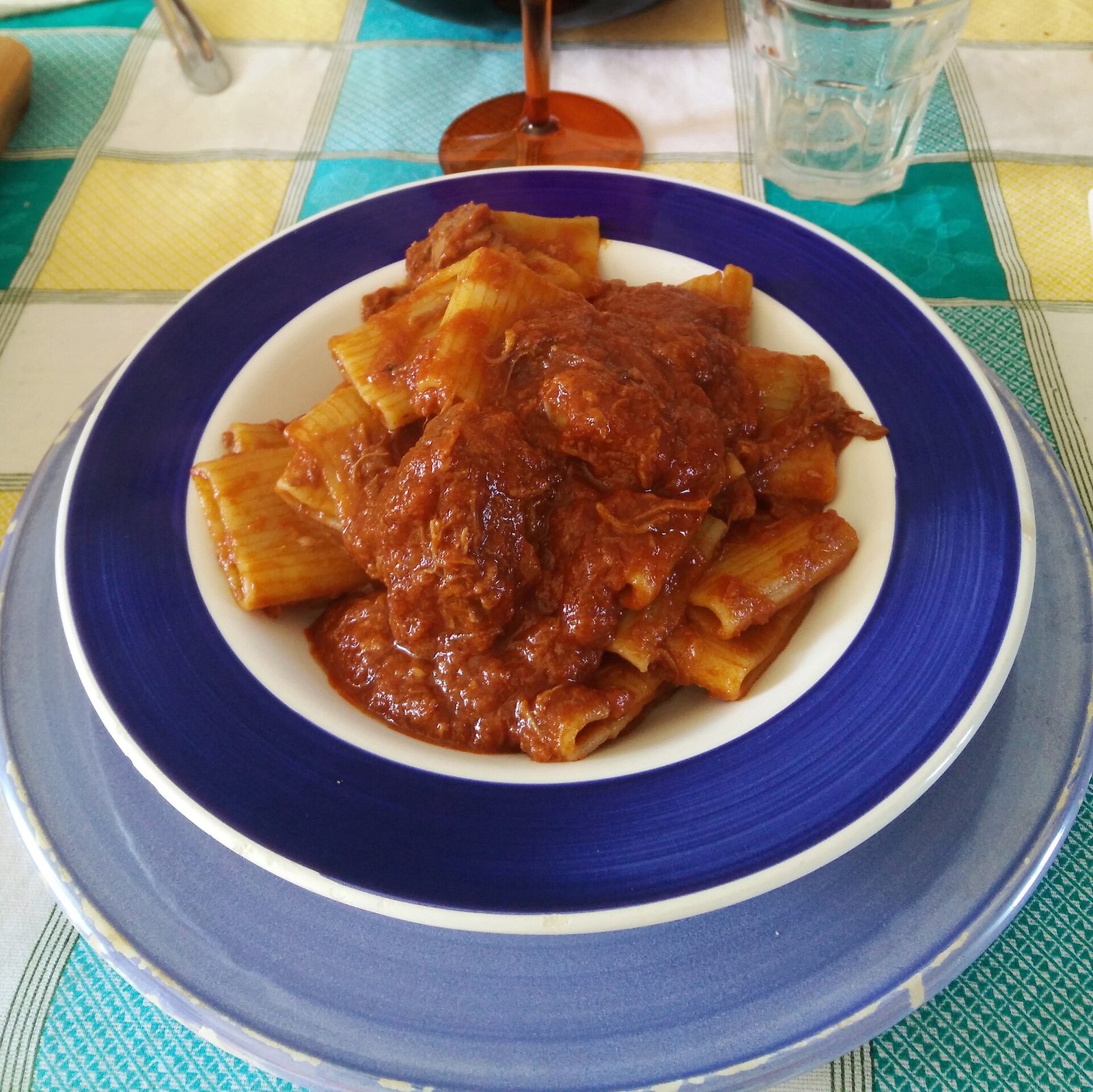
This is where I’d send anyone who wants to understand how Naples eats. A good trattoria has a short, often handwritten menu that changes with the market and the day of the week, house wine by the carafe, paper tablecloths or none at all, and a room full of locals talking over each other. The cooking is cucina casalinga, home cooking: pasta e patate with provola, genovese, ragù on Sunday, parmigiana, meatballs, braciole, friarielli and sausage, and fried or marinated anchovies.
The following are long-running names that appear consistently in Neapolitan and international food writing. I’ve kept the list to places with a real track record rather than this year’s hot opening. Check current reviews and hours before you go, because family businesses change.
Tandem
A small group of ragù specialists in the centro storico, built around the city’s great slow-cooked meat sauce. The focus is narrow, which is the point: ragù on pasta, ragù in sandwiches, meatballs in ragù, and bread to mop it up. Useful because ragù is otherwise hard to find outside Sunday lunch.
Trattoria da Nennella
A Quartieri Spagnoli institution known as much for its theater as its food: shouted orders, waiters with jokes and chants, and plastic chairs. The food is cheap, filling and traditional, and the atmosphere is loud and cheerful. It’s not a place for a quiet conversation, and its popularity with visitors means queues. Go for the experience.
Osteria della Mattonella
A small, old-fashioned osteria with a short daily menu of classics and a loyal local following. The kind of place where the menu is recited and the pasta e patate arrives thick enough to stand a fork in. Book, because it’s tiny.
Mimì alla Ferrovia
A historic restaurant near the train station that has fed Neapolitans, politicians and visiting actors for decades. It’s more formal than a trattoria, with a traditional dining room and a broad menu of Neapolitan classics and seafood. A reliable choice if you’re staying near Piazza Garibaldi and want a proper sit-down dinner without walking far.
Europeo di Mattozzi
Another old-school Naples restaurant, not far from Piazza Bovio and the port, with a long history, walls covered in pictures and a menu that runs from pizza to seafood to Neapolitan pasta. It’s the kind of family-run institution that has quietly outlasted many fashionable places.
The new-wave osterie
Alongside the old institutions, Naples has a lively generation of younger chefs running small osterie and bistros that update the city’s cooking without losing its soul: lighter versions of the classics, vegetables from Vesuvian farms, fish from small boats, natural wines from Campanian growers and short menus that change weekly. You’ll find them mostly in Chiaia, Vomero and the edges of the centro storico. Because this is the part of the scene that changes fastest, recent reviews and local food writers are the best guide; look for places that talk about their producers and cook with the season rather than chasing trends.
How to find your own trattoria
You’ll pass dozens of places that aren’t on any list, and many of them are excellent. The signs of a good one:
- A short menu, ideally in Italian first, often handwritten or printed daily.
- Locals eating there at 1:30 p.m. or 9 p.m., including older people and workers on a lunch break.
- Dishes tied to the day of the week or the season.
- Nobody outside trying to persuade you in.
- House wine by the carafe and water in a plain bottle.
Seafood restaurants
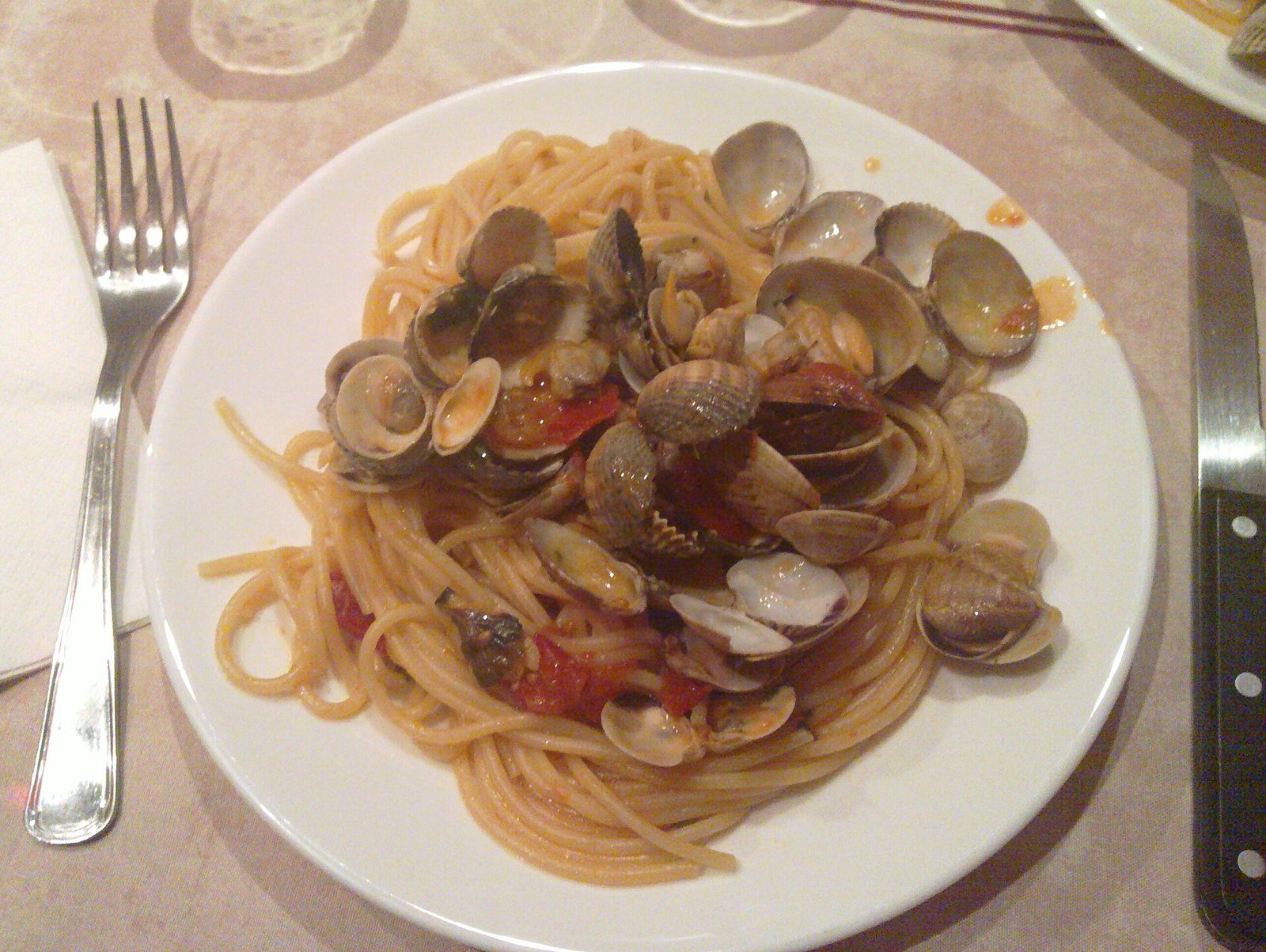
With the bay on its doorstep, Naples has a deep seafood tradition, and some of the city’s most enjoyable meals are long lunches of spaghetti alle vongole, fried calamari and fish of the day. It’s also where the most expensive surprises happen, so it’s worth knowing how seafood is priced before you order.
Where to eat seafood
- Chiaia. The smart neighborhood behind the seafront has some of the city’s best-known seafood restaurants. Da Dora, a long-established family place on a narrow street off the Riviera di Chiaia, is famous for its fish and its lively evenings, and there are fishmonger-restaurants where the day’s catch is displayed on ice and cooked to order.
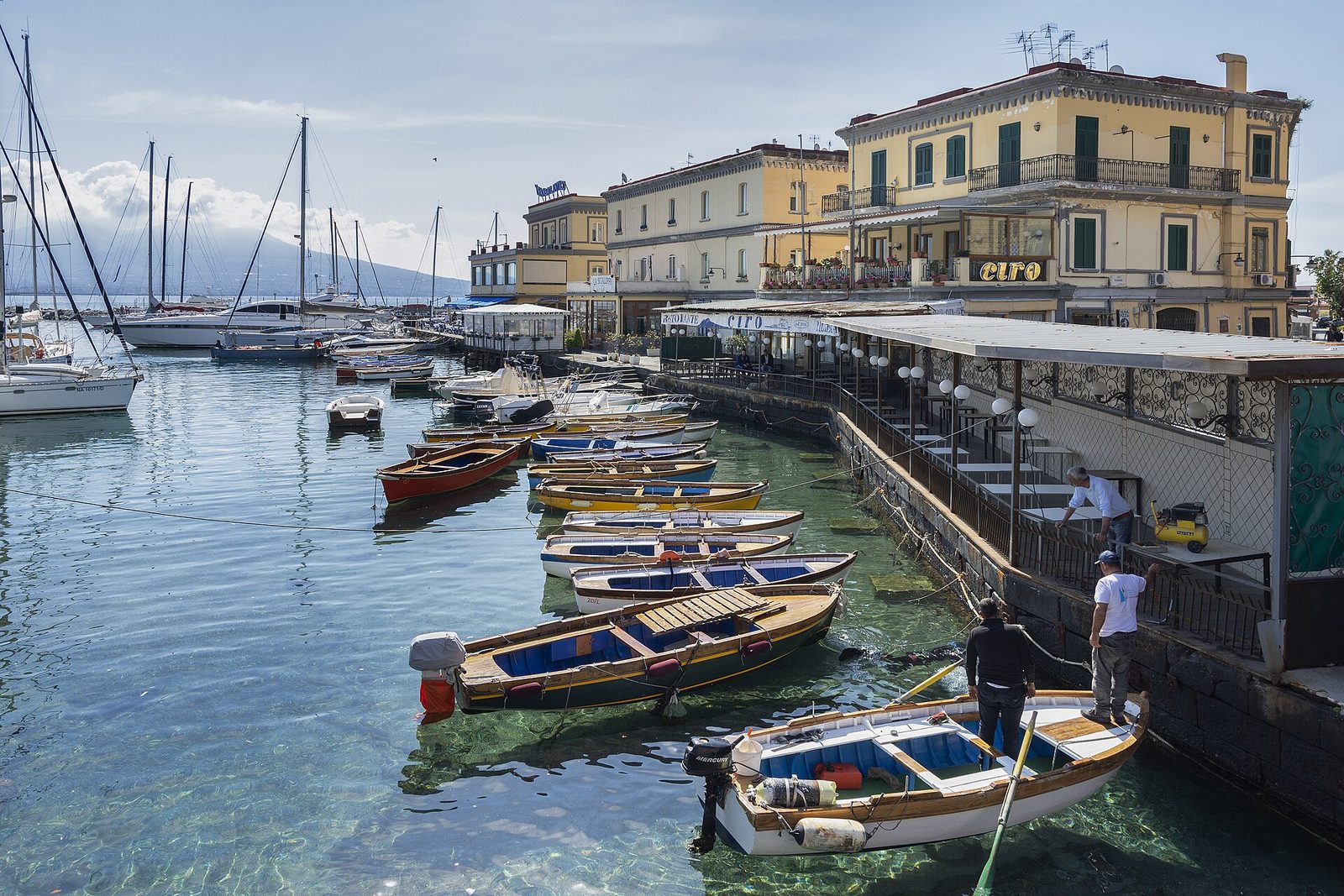
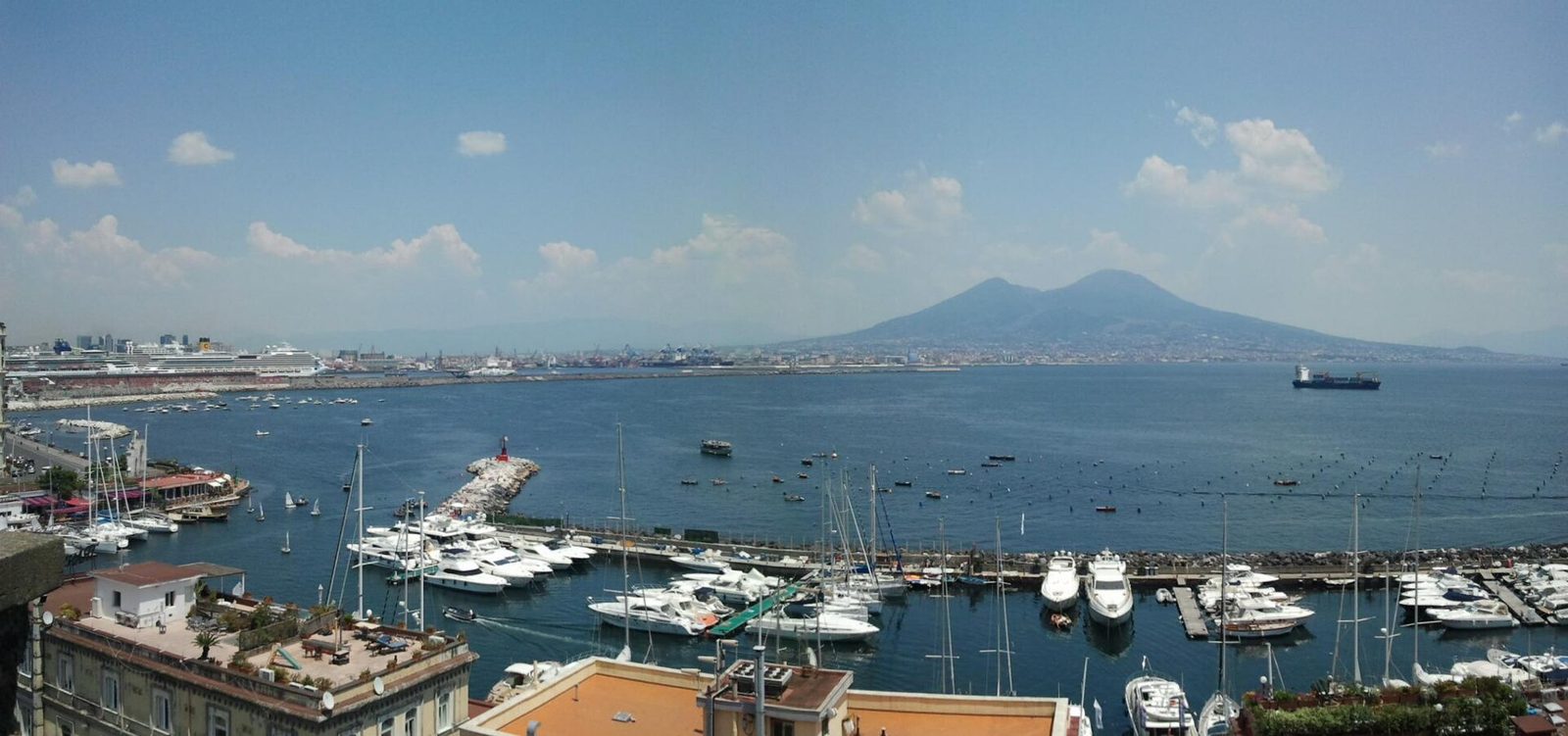
- Borgo Marinari. The little harbor beneath Castel dell’Ovo is lined with restaurants whose tables face the boats and Vesuvius. The setting is superb. The prices reflect it, and quality varies, so it’s the place I’d most carefully check menus and recent reviews.
- Mergellina and Posillipo. Further west, waterfront restaurants and, out along the Posillipo coast, places in small coves such as Marechiaro, with terraces over the water. Best for a long summer lunch, and easiest by taxi.
- Near the markets. Around Porta Nolana and Pignasecca, simple places cook what the fish stalls sell, at lower prices and with no view at all.
How fish is priced
On many menus, whole fish and some shellfish are priced by weight rather than by the plate. You’ll see “al kg” (per kilo), “all’etto” (per 100 grams) or “S.Q.” (secondo quantità, according to quantity). That’s normal and legal. The problem is when you don’t know how much the fish weighs. Ask to see it, ask what it weighs, and ask what the final price will be before it’s cooked. A good restaurant will tell you without hesitation.
Italian law also requires menus to mark products that were frozen, usually with an asterisk and a note at the bottom. Frozen isn’t automatically bad, but “fresh fish” with an asterisk isn’t fresh.
Michelin-starred restaurants in Naples
Naples isn’t only trattorias. The city and the surrounding coast have one of the densest concentrations of Michelin stars in southern Italy, and fine dining here is often good value compared with Rome, Milan or Florence. According to the 2026 Michelin Guide Italy, published in 2026, the city of Naples itself has four starred restaurants:
| Restaurant | Stars (2026 guide) | What to expect |
|---|---|---|
| George Restaurant | Two stars | Refined tasting menus with bay views at the top of Grand Hotel Parker’s |
| Aria | One star | Creative contemporary cooking in the city center |
| Veritas | One star | Modern Neapolitan cooking in an intimate setting |
| Il Ristorante Alain Ducasse Napoli | One star | The French chef’s Naples outpost, with chef Alessandro Lucassino, new to the 2026 guide |
Book well ahead, check whether there’s an à la carte option or only tasting menus, and ask about the dress code. If you’re willing to travel, the Sorrentine peninsula and Ischia have even more starred restaurants, including Campania’s only three-star restaurant, Quattro Passi at Nerano, and a cluster of starred kitchens around Vico Equense and Sorrento.
Where to eat, neighborhood by neighborhood
Where you’re staying shapes where you’ll eat most, so here’s what each part of the city does best. For choosing a base, see my guide to where to stay in Naples, Italy.
| Neighborhood | Best for | Watch out for |
|---|---|---|
| Centro storico (Via dei Tribunali, Spaccanapoli) | Pizza, street food, ragù, traditional trattorias, pastry shops | Touts and tourist menus on the busiest stretches |
| Quartieri Spagnoli | Cheap, loud, authentic trattorias; street food | Increasingly visitor-oriented places on the main lanes |
| Via Toledo and around Piazza Municipio | Quick lunches, historic cafés, convenient sit-down meals | Overpriced terraces on the big squares |
| Chiaia | Seafood, contemporary restaurants, aperitivo, wine bars | Higher prices |
| Borgo Marinari and Via Partenope | Waterfront settings with views of Vesuvius | Paying for the view more than the food |
| Vomero | Neighborhood restaurants, fry shops, gelato, family dining | Few surprises, few traps |
| Mergellina and Posillipo | Seafood by the water, summer lunches, chalets for dessert | Needing a taxi to get to the best spots |
| Around Napoli Centrale | A few historic restaurants and simple trattorias | The worst concentration of photo-menu places |
| Sanità | Beloved local pizzerias and pastry shops | Quieter streets at night |
Cheap eats in Naples
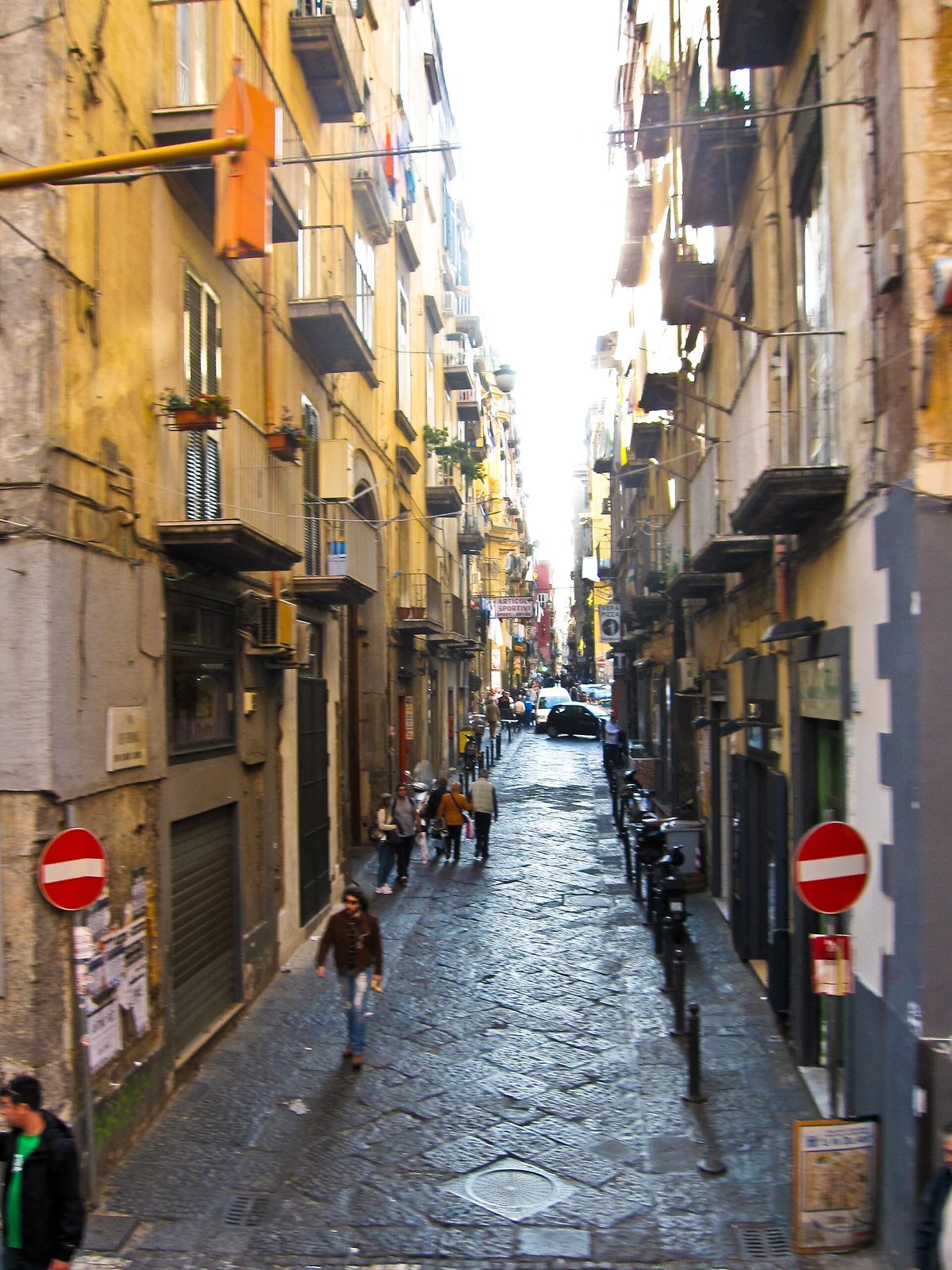
Naples is one of the best cities in Western Europe to eat well on very little, and some of its most memorable food costs less than a coffee in Paris. A few ways to do it:
- Pizza. A margherita at a classic pizzeria usually costs well under €10 and is a full meal.
- Friggitorie. A cuoppo of fried street food, a frittatina di pasta or a pizza fritta costs a few euros and is best eaten walking.
- Pizza a portafoglio. A small folded pizza from a street counter, eaten on the move, is the cheapest hot lunch in town.
- Rosticcerie and tavole calde. Counters selling ready-cooked dishes by the portion, from parmigiana to pasta al forno, for a quick seated or standing lunch.
- Lunch menus. Some trattorias offer a set lunch for workers on weekdays, with a pasta, a main and water at a fixed price. It’s often the best-value meal of the day.
- Markets. At Pignasecca and Porta Nolana, you can buy bread, cheese, salumi and fruit for a picnic.
For the full list of dishes to look for, and how to order them, see my Naples food guide.
Pizza, briefly
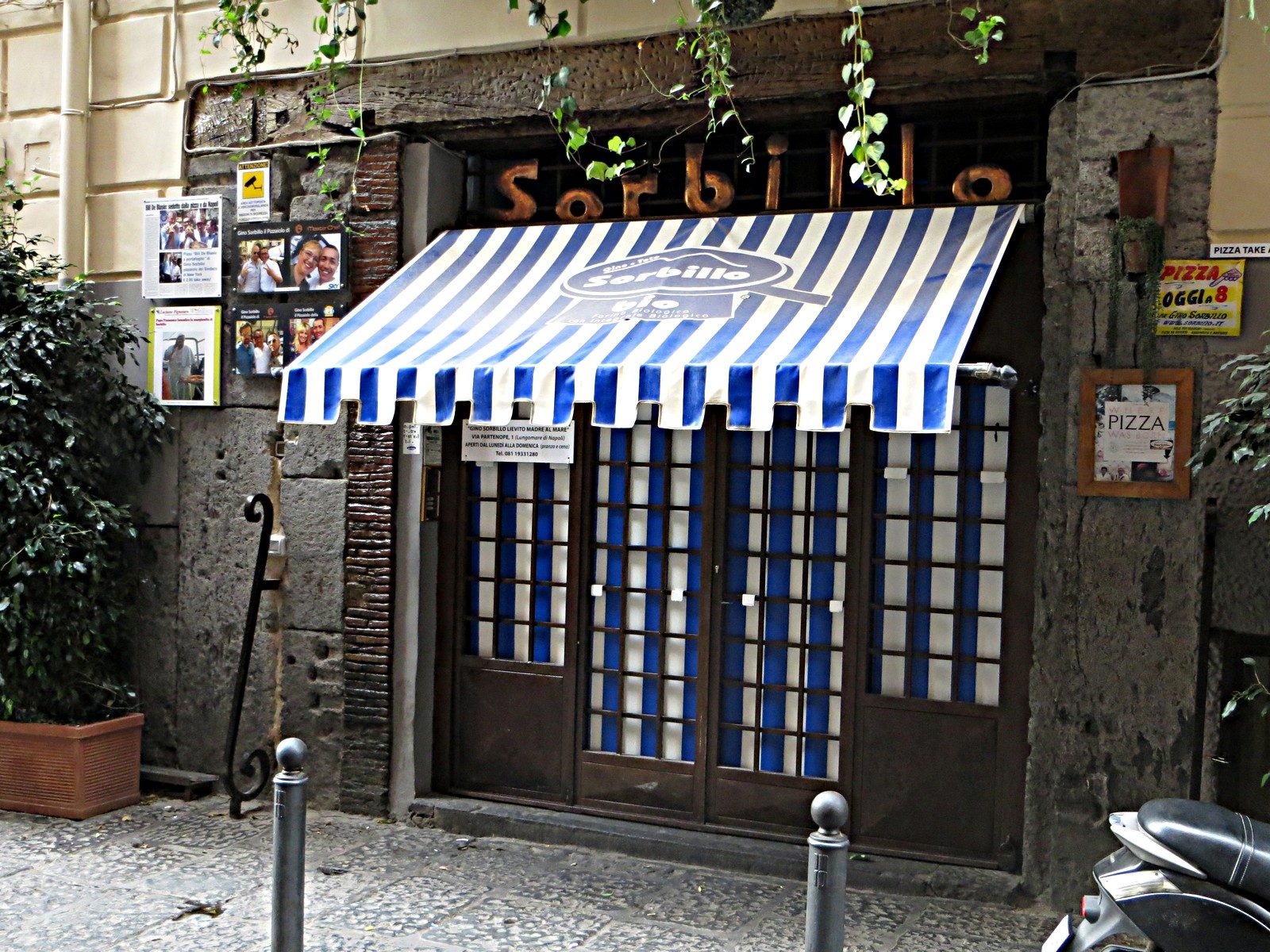
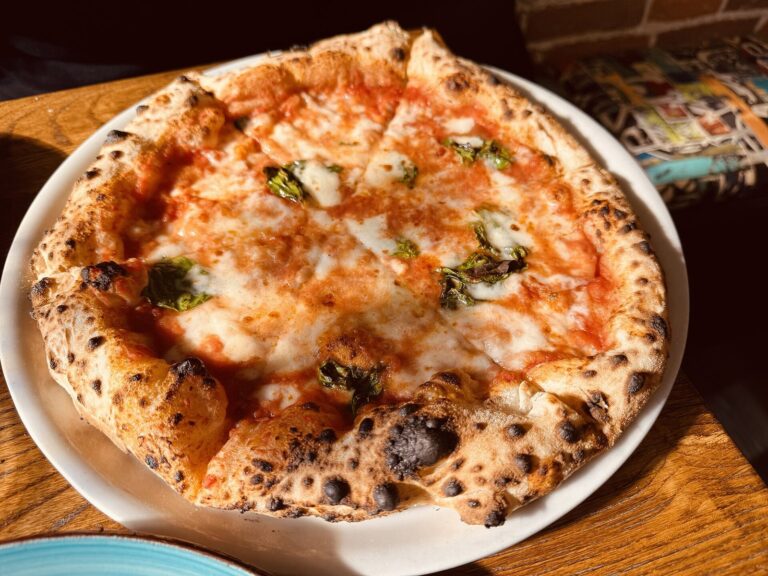
No restaurant guide to Naples is complete without pizza, but it has its own detailed guide on this site, including which of the famous names are worth the wait and how the queues work. In short: eat at least one classic Neapolitan margherita in the old town, try a pizza fritta, and don’t feel you have to go to the most famous address to eat a superb pizza. The best pizza in Naples guide has the details.
What a meal actually costs
Prices vary by neighborhood and by how close you are to a view, but these bands give a realistic picture of eating out in Naples in 2026. They’re per person, before tip, and without a bottle of wine.
| Meal | Typical cost band | Notes |
|---|---|---|
| Espresso and pastry standing at a bar | A few euros | Sitting at a table on a famous square costs more |
| Street food lunch | Under €10 | A cuoppo, a frittatina or a pizza a portafoglio |
| Pizza and a drink at a classic pizzeria | €10–15 | Add a fried starter to share |
| Trattoria lunch: pasta, side, water, house wine | €15–25 | Weekday set lunches can be cheaper |
| Trattoria dinner with two courses | €25–40 | Plus coperto |
| Seafood dinner in Chiaia or on the waterfront | €40–70 | Fish priced by weight can push this higher |
| Michelin-starred tasting menu | Well over €100 | Before wine pairings |
Historic cafés worth sitting down in
Naples runs on coffee, and most of it is drunk standing at a counter in two minutes. A few places, though, are worth slowing down for, because the room is part of the experience.
Gran Caffè Gambrinus, on the corner of Piazza Trieste e Trento beside Piazza del Plebiscito, is the grandest: Belle Époque salons with mirrors, stucco and paintings, once frequented by writers and politicians. It’s also the home of the caffè sospeso tradition, where you pay for a second coffee for someone who can’t afford one. Stand at the counter for a normal price, or pay extra to sit in the salons and people-watch.
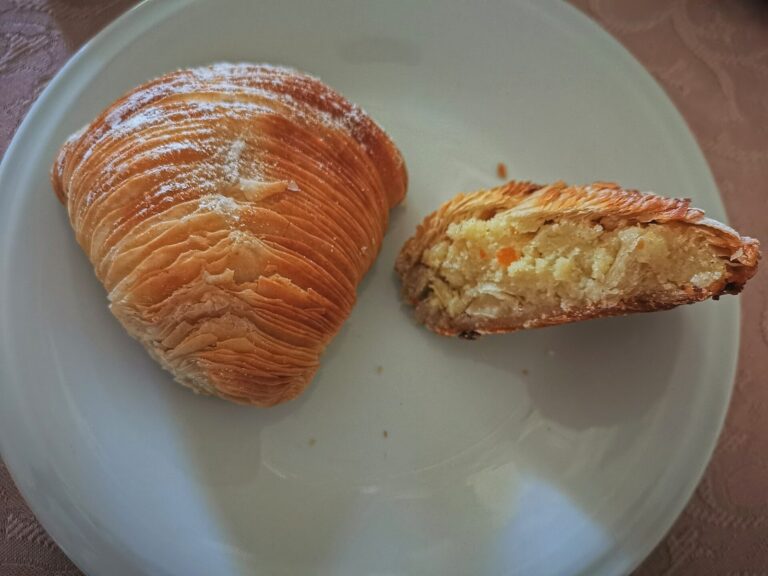
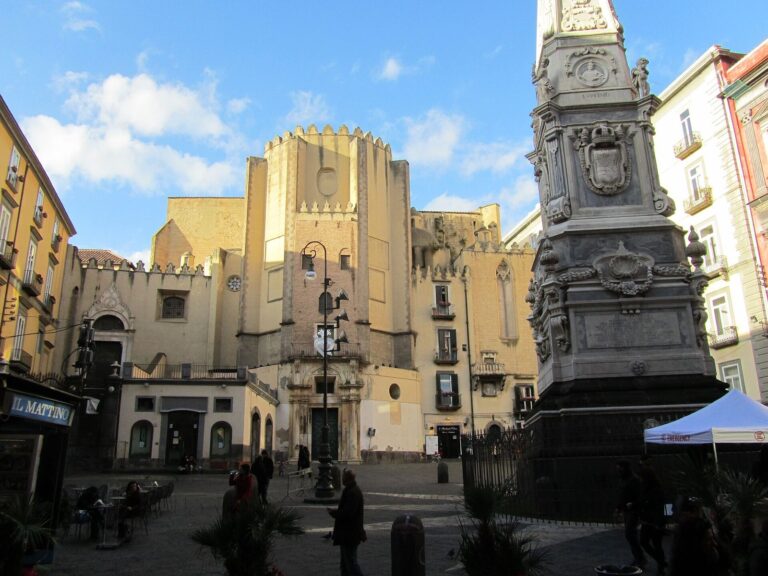
Elsewhere, the centro storico’s squares have cafés where students, professors and booksellers linger over coffee, particularly around Piazza Bellini and Piazza San Domenico Maggiore. The latter is also home to Scaturchio, one of the city’s historic pastry shops, where a sfogliatella or a babà and a coffee make an ideal mid-morning stop. For what to order at a Neapolitan bar, see my Naples food guide.
Aperitivo and wine bars
The early-evening aperitivo, a drink with snacks before dinner, is taken seriously in Naples, particularly in Chiaia, where the lanes known locally as the baretti fill with young Neapolitans from around 7 p.m. Order a spritz, a glass of Falanghina or a beer, and small plates of taralli, olives, crisps or something more substantial often arrive with it.
Naples also has a growing number of enoteche, wine bars, many focusing on Campanian producers and natural wines. They’re a good way to explore the region’s grapes by the glass, and several serve plates of local cheese and salumi that work as a light dinner. Look for them in Chiaia, around Piazza Bellini and in Vomero.
A day of eating in Naples, done right
If you want to taste the city’s range in a single day, this is how I’d plan the meals. It works on foot in and around the old town, and it leaves room for sightseeing in between; for what to see, see my guide to the centro storico.
- Breakfast, 8:30 a.m. An espresso and a warm sfogliatella standing at a historic bar or pastry shop.
- Mid-morning, 11 a.m. A walk through the Pignasecca market for a look at the fish and produce, and perhaps a fried snack from a stall.
- Lunch, 1:30 p.m. A trattoria in the Quartieri Spagnoli or the centro storico: pasta e patate or genovese, a side of friarielli, house wine.
- Afternoon, 4 p.m. A coffee and a babà, or a gelato if it’s warm.
- Aperitivo, 7 p.m. A glass of Falanghina in Chiaia or on the seafront at sunset.
- Dinner, 9 p.m. A margherita and a fried starter at a classic pizzeria, followed by a limoncello.
The total for one person will likely be less than a single mid-range dinner in many European capitals, and you’ll have eaten some of the best food in Italy.
Restaurants for particular occasions
Romantic dinners
For a romantic evening, the settings that work best are the terraces with bay views: a rooftop restaurant in one of the seafront or hillside hotels, a table by the water at Borgo Marinari or in Posillipo, or one of the fine-dining rooms above. Book a table for sunset, and ask specifically for a table with a view, not just a restaurant with one. A long dinner in a candlelit old-town osteria can be just as memorable and much cheaper. And for a romantic finish that costs almost nothing, walk the lungomare from Castel dell’Ovo toward Mergellina after dinner, with a gelato, as half of Naples does on a warm night.
Families with children
Children are welcome almost everywhere in Naples, including late in the evening, and pizzerias are the easiest family choice of all: quick, cheap, noisy and universally loved. Trattorias will happily make a plain pasta with tomato sauce or butter (in bianco) that isn’t on the menu. High chairs aren’t universal in small places, so ask when you book.
Vegetarians and vegans
Neapolitan cooking is naturally friendly to vegetarians, with dishes such as pizza margherita and marinara, pasta e patate, pasta e fagioli, parmigiana di melanzane, stuffed peppers and escarole and plenty of vegetable sides. Vegans have more to navigate, because cheese and butter appear often, but the marinara pizza is vegan by tradition, and many restaurants now mark vegan dishes. Traditional recipes sometimes use lard or meat broth where you wouldn’t expect it, so ask.
Gluten-free and allergies
Gluten-free options are increasingly common in Naples, and several pizzerias make certified gluten-free pizza in separate areas. Say “sono celiaco” (I’m celiac) clearly, and for other allergies, write the ingredient down in Italian. By law, restaurants must be able to tell you which of the main allergens their dishes contain, usually through an allergen sheet available on request.
Late-night eating
Naples eats late, and pizzerias in the centro storico and Chiaia often serve until close to midnight or beyond, especially on weekends. Fry shops and bars around the university and Piazza Bellini keep students fed into the night. Trattorias usually stop taking orders earlier, so for a late meal, pizza is the safest bet. If you arrive on a late flight or train, ask your hotel which kitchens nearby are still open; staff usually know exactly who is serving after 10 p.m.
How the tourist traps work
Most restaurants in Naples are honest. A minority, concentrated where visitors pass in large numbers, rely on people who won’t come back. Knowing their tricks is enough to avoid them.
- The tout. Someone stands outside with a menu and persuades you in. Good trattorias in Naples don’t need to do this.
- The photo menu in six languages. Laminated pictures of every dish, often including things no Neapolitan kitchen cooks, like spaghetti Bolognese or fettuccine Alfredo.
- The “tourist menu.” A fixed-price menù turistico with an unremarkable pasta, a thin main and a side. It looks like value, and it rarely is.
- The unpriced fish. “Fresh fish of the day” with no price, or “S.Q.” without the weight explained. Ask before you order.
- The extras. Bread, water and a cover charge that weren’t on the menu, or a service charge you weren’t told about.
- The view. A menu that costs twice what it should because you’re looking at the sea. Sometimes worth it, often not.
- The missing receipt. A handwritten total with no itemized bill. Ask for the scontrino.
If a bill looks wrong, ask politely for it to be itemized and explained. Genuine mistakes happen and are quickly corrected; in the rare case of a real dispute, keep the receipt and photos of the menu.
Food worth a trip outside the city
Some of the region’s most memorable meals are a short train ride or drive from Naples, and they pair naturally with sightseeing. For planning the excursions themselves, see my guide to day trips from Naples.
- Gragnano. The pasta town on the edge of the Sorrentine peninsula, where bronze-die pasta has been made for centuries. Several producers offer visits and tastings.
- Vico Equense. Famous for pizza a metro, pizza sold by the meter on long wooden boards, and home to several of the region’s starred restaurants.
- Nerano and Marina del Cantone. The birthplace of spaghetti alla Nerano, made with fried zucchini and Provolone del Monaco, served at seafront restaurants on a beautiful bay.
- The Caserta plains. The heart of buffalo mozzarella country, where dairies sell mozzarella made that morning; an easy addition to a visit to the Royal Palace of Caserta.
- Ischia. The island’s signature dish is coniglio all’ischitana, rabbit slow-cooked with tomatoes, garlic, wine and herbs, a reminder that island cooking isn’t only about fish.
- Sorrento and the Amalfi Coast. Lemons, gnocchi alla sorrentina, delizia al limone and limoncello at the source. My guides to Sorrento, Italy and the Amalfi Coast from Naples cover the towns.
Cooking classes and food tours
If you’d like to take some of Naples home with you, a cooking class is the best souvenir there is. Classes in the city usually cover pizza making, fresh pasta, a Neapolitan sauce such as ragù or genovese, or pastries, and many include a market visit and a long lunch of whatever you’ve made. Look for small groups, a home kitchen or a working restaurant rather than a demonstration hall, and a teacher who’s actually from the city.
Food tours are the other option, especially if you’re short on time. A good one takes you through street food, a pastry shop, a market and a trattoria in three hours, explains what you’re eating and gets you past the counters you’d be too shy to try alone. The trade-off is cost: you’ll pay many times what the same food would cost on your own. If you’re confident pointing and ordering, the tables in this guide will take you most of the way there.
Eating at the markets
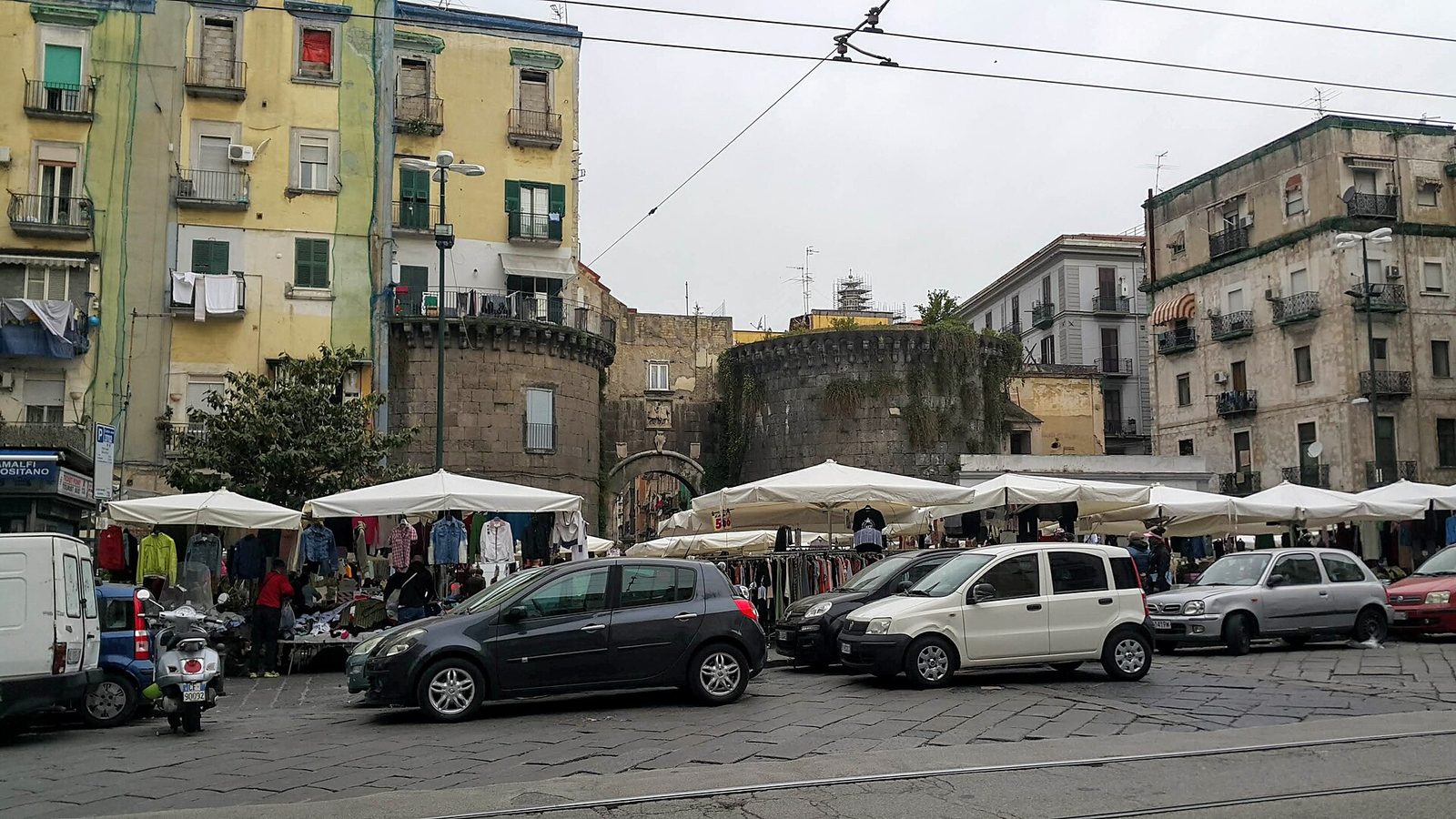
Naples’ street markets are where the city’s cooks shop, and they’re worth a morning even if you’re not cooking. The Pignasecca, off Via Toledo near Montesanto, is the oldest and most atmospheric, a narrow street of fish counters, fruit and vegetable stalls, butchers, bakeries and fry shops. The Porta Nolana market, beside the medieval gate near the Circumvesuviana terminus, is the city’s fish market, loud and theatrical, best early in the day. Both are good for a snack standing up, and both reward keeping your wallet in a front pocket.
Reading the menu: a few useful words
| On the menu | What it means |
|---|---|
| Coperto | Per-person cover charge |
| Servizio (incluso / non incluso) | Service charge (included / not included) |
| S.Q. (secondo quantità) | Priced by the quantity you’re served |
| All’etto / al kg | Per 100 grams / per kilo |
| * surgelato / congelato | Frozen product |
| Del giorno | Of the day |
| Fritto / alla griglia / all’acqua pazza | Fried / grilled / poached in a light tomato broth |
| Vino della casa, sfuso | House wine, by the carafe |
| Acqua naturale / frizzante | Still / sparkling water |
| Contorni | Side dishes, ordered separately |
Restaurant etiquette in Naples
Neapolitan restaurants are relaxed, and nobody expects visitors to know every custom. A few habits will still make meals smoother and friendlier.
- Dress. Casual is fine almost everywhere. Fine-dining restaurants expect smart casual; beachwear and bare chests belong on the beach.
- Bread. Wiping your plate with bread to catch the last of the sauce, fare la scarpetta, is informal but perfectly normal in a trattoria and a compliment to the cook.
- Cheese on seafood. Asking for Parmesan on spaghetti alle vongole will raise eyebrows. Trust the kitchen.
- Sharing. Sharing starters, sides and fried plates is normal. Splitting one pasta between two people in a small trattoria is fine at lunch, less so at a busy dinner.
- Coffee. Espresso comes after the meal, not with it. Cappuccino is a morning drink, although no one in Naples will refuse to make you one.
- Water. Most tables order bottled water, still or sparkling. Tap water is safe, and you can ask for it, but it’s less customary than at home.
- Paying. Splitting the bill equally, alla romana, is common among Italians; separate itemized bills for a large group can be a nuisance for small places, so agree before you order.
- Pace. Meals aren’t rushed, and waiters won’t hurry you out. If you’re in a hurry, say so when you order.
A short history of eating out in Naples
For much of its history, Naples was one of the most crowded cities in Europe, and many of its people didn’t have kitchens to cook in. That’s the root of its extraordinary street-food culture: the pizza sellers, fry shops and macaroni vendors who fed working people on the street for pennies. Nineteenth-century visitors wrote about Neapolitans eating spaghetti with their hands from street stalls, and the city’s nickname for its people, the mangiamaccheroni, or macaroni-eaters, dates from that era.
At the other end of society, aristocratic families employed French-trained chefs, the monzù, a Neapolitan corruption of “monsieur,” who brought refined dishes such as the sartù di riso and the gattò di patate to the city’s tables. Between the two sat the osterie and trattorie, where artisans and merchants ate home cooking and drank local wine. That three-level structure is still visible today: the street counter, the family trattoria and the grand dining room, and the best way to eat in Naples is to try all three.
What to drink
House wine in a Naples trattoria is usually a simple, local red or white by the carafe, cheap and perfectly pleasant. For something better, Campania’s wines are some of Italy’s most interesting: Falanghina, Fiano di Avellino and Greco di Tufo among the whites; Aglianico, Taurasi and Piedirosso among the reds; and Lacryma Christi from the slopes of Vesuvius in both colors. With pizza, many Neapolitans drink beer, or a chilled glass of Gragnano, a gently sparkling red. Finish with an espresso, never a cappuccino after dinner if you want to blend in, and perhaps a limoncello.
What to skip
- Any restaurant with a tout outside. Keep walking.
- Photo menus in many languages near the station and the port. They exist for people who don’t know better.
- Fixed-price tourist menus. You’ll eat better for the same money in a proper trattoria.
- Ordering fish without asking the price. Get the weight and the total first.
- Dinner at 6 p.m. The good places aren’t open yet, and the ones that are will tell you something.
- Dishes that aren’t from Naples. Bolognese, Alfredo and “Italian-style” chicken dishes are signs of a kitchen cooking for tourists.
- Restaurant rankings that are secretly about Naples, Florida. Check that the address says Napoli.
Best restaurants in Naples, Italy: frequently asked questions
What is the best restaurant in Naples, Italy?
For fine dining, George Restaurant holds two Michelin stars in the 2026 guide, the highest in the city. For traditional Neapolitan food, the best meals are often at family trattorias in the centro storico and Quartieri Spagnoli, plus the classic pizzerias of Via dei Tribunali.
How many Michelin-star restaurants are in Naples?
According to the 2026 Michelin Guide Italy, the city of Naples has four: George (two stars), Aria, Veritas and Il Ristorante Alain Ducasse Napoli (one star each). The wider Naples area, including Ischia and the Sorrentine peninsula, has many more.
What time do restaurants open for dinner in Naples?
Most restaurants open for dinner around 7:30 or 8 p.m., and locals typically eat from 8:30 p.m. onward, later in summer. Pizzerias often stay busy until late.
Do I need to tip in Naples restaurants?
No, not in the American sense. Many restaurants charge a small coperto. If service isn’t included, rounding up or leaving a few euros for good service is appreciated but not required.
What is coperto in Naples?
A per-person cover charge for bread and the table setting. It’s legal as long as it’s listed on the menu, and it’s usually a modest amount.
How do I avoid tourist traps in Naples?
Avoid restaurants with touts, photo menus and fixed tourist menus, ask the price of fish before ordering, check the menu for coperto and service charges, eat when locals eat, and walk a block or two away from the busiest streets and squares.
Is food expensive in Naples restaurants?
No. Naples is one of the most affordable cities in Italy for eating out. Pizza and street food cost a few euros, trattoria meals are good value, and even fine dining is often cheaper than in Rome or Milan. Waterfront settings cost more.
Where can I eat seafood in Naples?
Chiaia has several of the best-known seafood restaurants, Borgo Marinari offers waterfront tables beneath Castel dell’Ovo, and Mergellina and Posillipo have restaurants by the water. Always ask how fish priced by weight will be charged.
Do Naples restaurants take reservations?
Most sit-down restaurants and trattorias do, and it’s wise to book for weekend evenings and Sunday lunch. Classic pizzerias usually don’t; you give your name and wait.
For a sense of what eating out costs across the city, from the €1.20 espresso to a mid-range dinner for two at around €70, see Naples prices and daily budgets. It also explains coperto, service charges and when to tip.
Where you eat in Naples depends a lot on which neighborhood you’re in. Via dei Tribunali and the Sanità are for pizza, the Pignasecca and the Quartieri Spagnoli for street food, Chiaia for smart dinners and aperitivo, and Mergellina and Marechiaro for fish by the sea. The Naples neighborhoods guide shows how the areas connect.
Dinner in Naples is only the middle of the evening. Neapolitans start with an aperitivo around 7 p.m. and, after eating, head out to the piazzas until well past midnight. If you want to know where to go after your meal, from the Chiaia baretti to Piazza Bellini and the seafront, see my Naples nightlife guide.
Photo credits
- Borgo Marinari restaurants on the water: photo by Sordelli, Wikimedia Commons, CC BY-SA 3.0.
- Porta Nolana market: photo by Rémy Lee, Wikimedia Commons, CC BY-SA 4.0.
- Spaghetti alle vongole: photo by Toniher, Wikimedia Commons, CC BY-SA 3.0.
Sources: Michelin-starred restaurants from the 2026 Michelin Guide Italy as reported by napolike.it (July 2026); menu labeling, receipt and allergen rules from Italian consumer regulations; restaurant names limited to establishments with long public track records in Neapolitan and international food writing. Checked September 2026. Restaurants change hours, move and close; confirm before you go.